

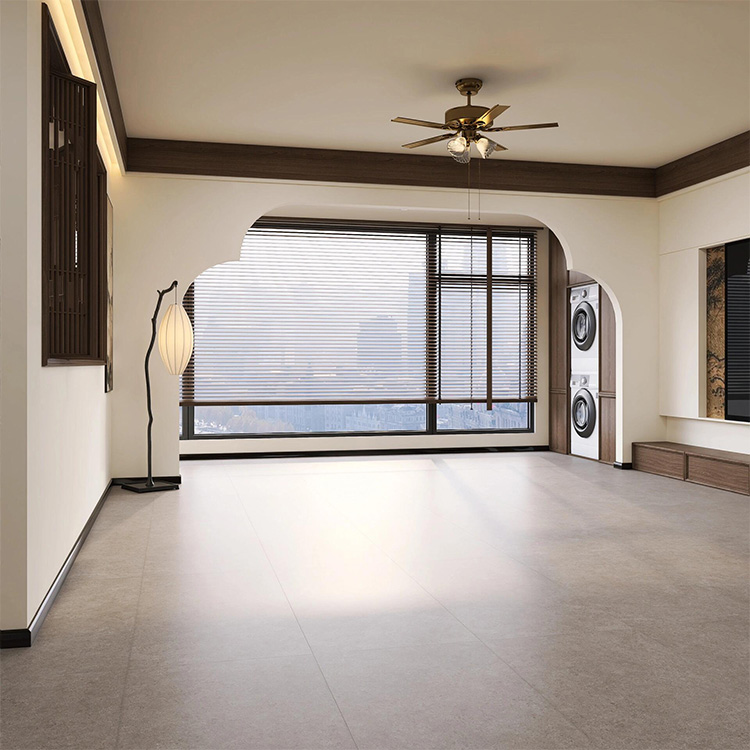
Why Tactile Minimalism is the 2026 Tile Trend You Need to Know
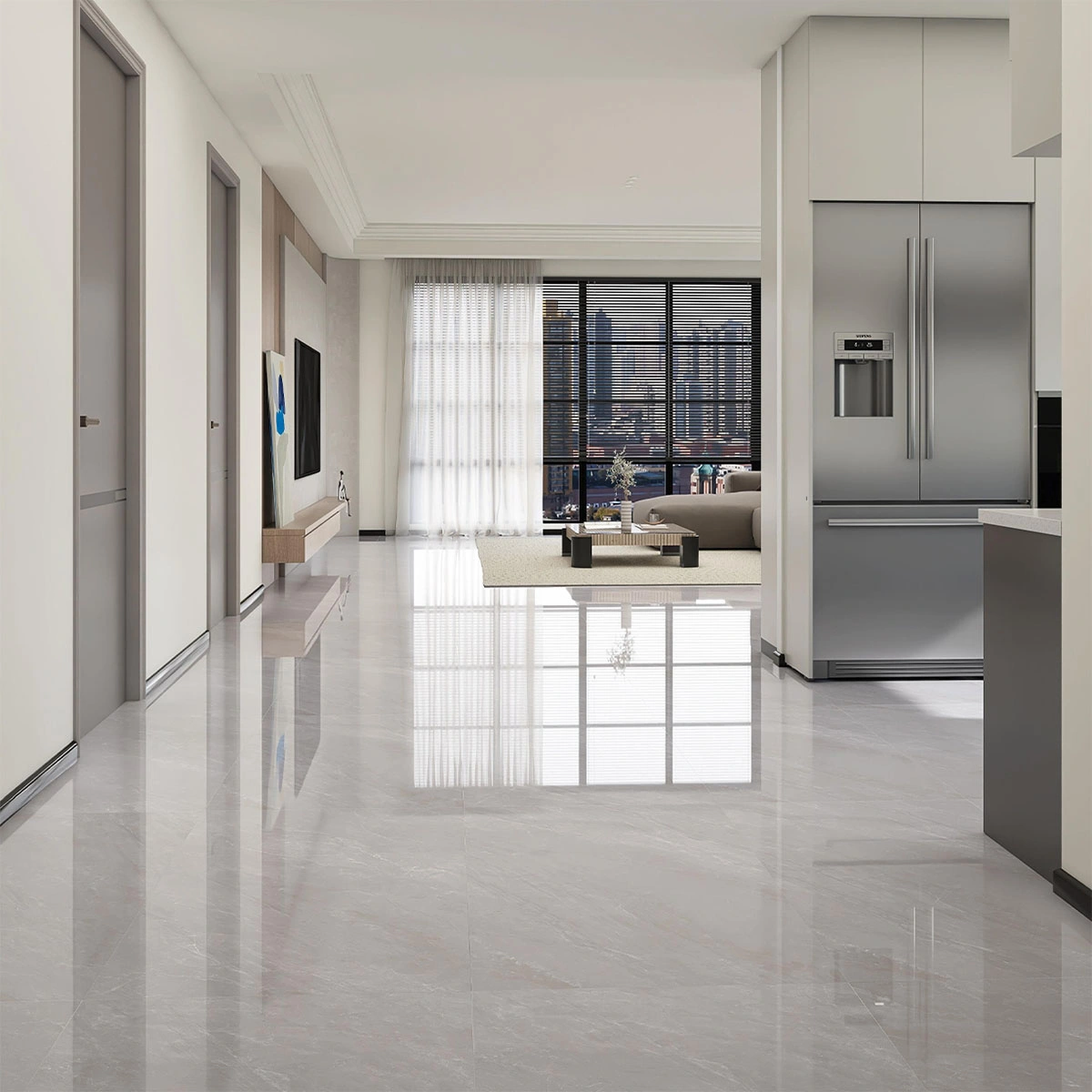
As we head into 2026, the time of homes that feel like empty showrooms has come to an end. For many years, people in design have favored very even, shiny floors that shine bright in photos but seem too plain and cold during everyday mornings. You may have seen this in your own place: a room that appears ideal in pictures yet lacks any real warmth when you are there. This problem comes from floors that give nothing to touch and bounce back light in a way that feels fake and tiring. Such choices often leave folks feeling disconnected from their own spaces, as the hard shine starts to wear on the eyes and the mind after just a short while, pushing many to seek out options that bring back a sense of comfort and life.
The fix for this issue now comes through something called Tactile Minimalism. This goes beyond a quick style change; it marks a big move toward Sensory home design. In 2026, your living area should do more than just look nice; it needs to let you sense and enjoy it fully. Designers achieve this by adding layers, rough patterns, and raised shapes, turning plain rooms into cozy spots that feel solid and welcoming. This approach helps homes connect better with the people who live in them, making daily routines more pleasant and creating environments where families can relax without the stark feel of past trends.
Meet Your Surface Experts: Winway
Before we explore the feels of what is coming next, it helps to know the group that creates some of the field’s most touching items. View Winway Home Decor not simply as a source for goods, but as a link that turns your ideas into real parts of your house. They focus on blending skilled work with new tech advances, and over the years they have improved how a room truly feels to those inside it. This dedication shows in every piece they make, as they think about how light hits the surfaces and how feet move across them, ensuring that the end result fits well into busy home lives.
As leaders in this area, the folks at Winway understand that a floor piece means more than just a basic build supply; it stands as the biggest lasting item you will add to your home. They handle making these with a focus on people, making sure each rough spot and bump has a reason, such as softening strong sun rays or giving a firm hold to avoid slips. Their lineup for 2026 shows great skill in mixing strong build qualities with the true nature of rough feels from the earth. If you aim to go past plain choices and welcome a house that reaches out to your senses, their picked items offer a solid place to begin. From there, you can build a space that feels personal and right, with options that last through seasons and changes in taste.
The Sensory Evolution: Why Flat is “Out”
If you have walked through a new apartment in recent times, you probably sensed the chilly look of shiny clay floors. Though they catch the eye, these even surfaces often miss the traits that tie a space together well. They reveal every mark, drop of water, and bit of dirt, but bring no real comfort to the heart. The year 2026 calls for us to accept what is “good enough with flaws.” This shift comes as more people tire of the constant upkeep and the way such floors make rooms seem empty despite their clean lines.
Tactile Minimalism puts attention on the soft strength of dark spots. A rough surface works with the sunlight that passes through your glass all day long. This lets the area shift from a lively, full-of-light place in the early hours to a calm, close spot as the sun goes down. At the heart of Sensory home design lies the goal of building a setting that matches the daily flow of living. You move past just seeing your ground; instead, you notice the small bumps beneath your steps and how a side catches a single ray of sun. Such details make the home come alive in ways that plain views cannot, fostering a deeper bond with the space around you.
3D Relief Tiles: Architecture You Can Touch
One of the biggest steps forward this year involves the broad use of 3D relief tiles. Once kept for fancy hotel entrances, these shaped floors now enter home main rooms and key walls in living areas.
These go further than simple patterned pieces; they form real build shapes you can feel. Picture a bath side that copies the soft lines of an old pillar or a cooking wall that seems like sand moved by wind in dry lands. Such areas fix the issue of flat looks by bringing in a new level to your sides. They make a center point that needs no added art, frames, or mess. The floor itself turns into the main draw. Picking a raised design means you shape the light in your house, gaining a full feel that even paint or smooth rock fails to match. This not only boosts the look but also adds to the way the room holds sounds and warmth, making it more inviting for gatherings or quiet times alone.
Performance Meets Texture: The Brave New Standard
To see this change clearly, consider how the world market now turns toward these ideas. Home owners give more weight to items that bring both safe steps and rich feels, moving away from the bright shine popular in the start of the 2020s. This preference grows as budgets tighten and people seek value in pieces that serve well over time without constant care.
2026 Market Insights: The Shift to Texture
|
Feature |
Polished/Smooth Tiles (Pre-2024) |
Tactile Minimalism (2026) |
|
Market Demand Growth |
-12% Year-over-Year |
+28% Year-over-Year |
|
Consumer Priority |
Visual Status / “Bling” |
Comfort / Sensory Connection |
|
Slip Resistance |
Low (R9 Rating) |
High (R11-R12 Rating) |
|
Light Interaction |
Harsh Reflections / Glare |
Soft Diffusion / Shadows |
|
Maintenance |
Shows water spots/smudges |
Hides minor dust/scuffs |
These facts show that turning to porcelain tiles with better rough patterns means far more than picking a look; it serves as a smart step up for regular use. The methods to make these now allow eyes to mix up baked clay goods with cut stone like light rock or smoothed lime stone. This close match fools the sight while giving real gains in how the items hold up to wear and weather, making them fit for homes that see a lot of foot traffic or spills without losing their charm.
The appeal of rough clay rests in how well it stands tough tests. You gain the dull, soft view of aged rock but skip the holes that let in water or the need to seal it often. In 2026, what counts as high-end comes from how few worries you face with your floors. These pieces resist marks almost fully and work better in spots with heavy steps. Choosing a rough end also brings a key safety plus. The tiny lines offer the grip needed, turning them into the best pick for wide cooking areas where drops happen without warning. Homeowners find this mix of ease and feel brings peace, as daily cleans take less effort and the space stays safe for kids and guests alike.
Grounding the Modern Home with Rustic Finishes
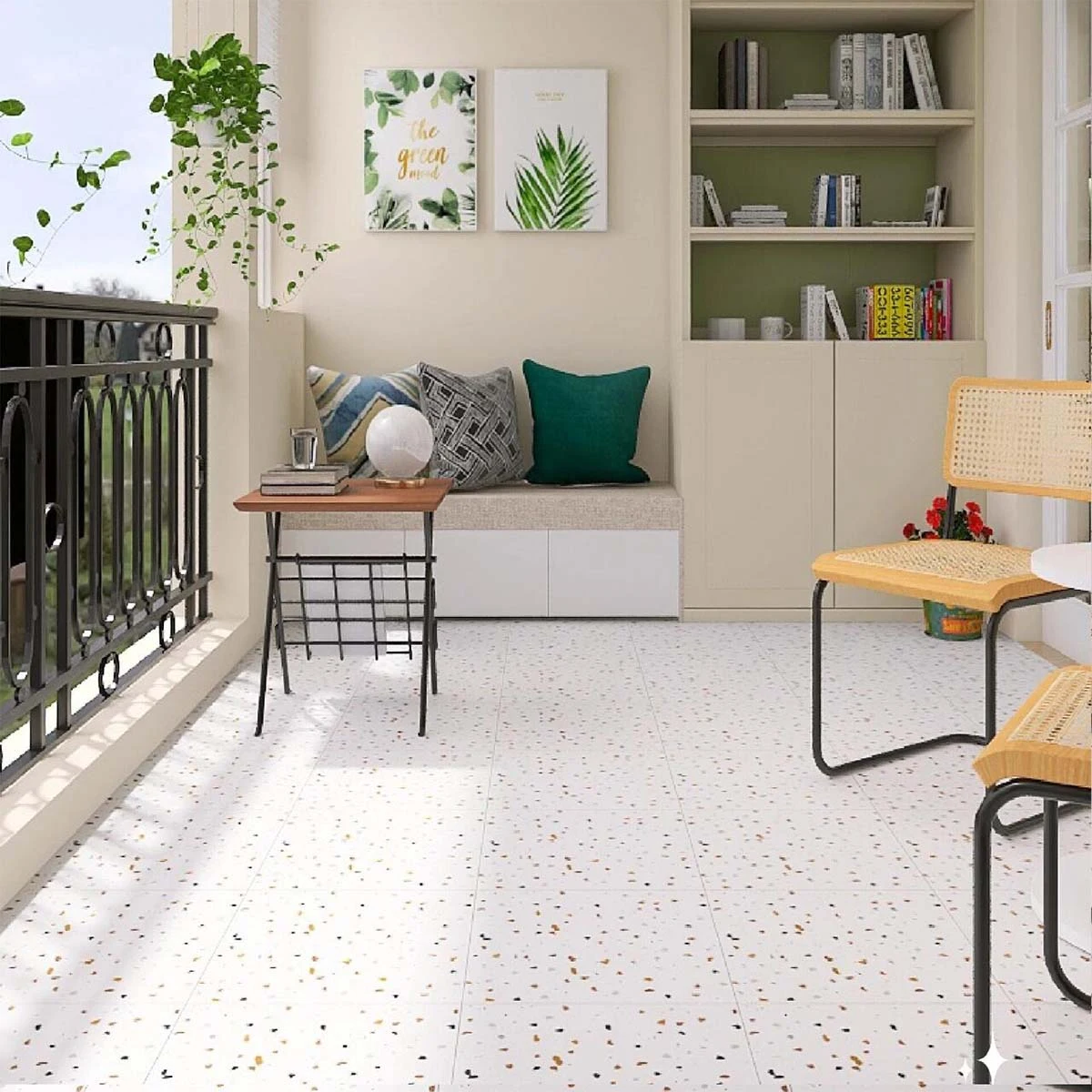
People have a strong pull to link with the ground, which drives the big return of rustic tiles this year. Yet the 2026 take on “rustic” skips the thick, dim styles from long ago. It offers a polished, bright way to use items from nature. This fresh view fits well with today’s clean lines, adding warmth without overwhelming the simple setups many prefer.
Such floors usually show plain, dull ends and color sets from earth like “clays,” “sandstones,” and “mossy greys.” They add a touch of past times and lasting strength to fresh builds. As you step on a ground covered in these, you gain a real sense of being rooted. They stay warm under touch; the rough feel makes them seem inviting, so the room feels used right away. This works best in big, open plans where a smooth base might seem too hard and empty. The result often leads to spaces that encourage more time spent together, as the floors invite bare feet and play without the chill of colder choices.
Case Study: The “Sensory Sanctuary” Project (Laguna Beach, 2026)
Early in 2026, a well-known update in Laguna Beach tested out the Tactile Minimalism idea. The builders swapped 2,000 square feet of bright white stone for a blend of rough clay and raised shape highlights. In the main bath, they added tall lined tiles that grabbed the sea light each morning, making moving dark patterns that shifted hourly. What happened? The owner noted much less eye strain. By taking away the sharp bounce of shiny sides and adding touchable, dull roughs, the house turned into a spot for calm instead of show. This project set an example for others, showing how small changes in materials can lift the whole mood of a home and make it suit coastal living with its mix of sun and salt air.
Professional Service for Your Vision
Selecting your floor pieces for a 2026 job goes beyond choosing shades from a book. It involves thinking about the sense you want upon rising and placing feet on the ground. It covers how sun will move over your sides during a wet day. These choices shape not just the look but the full daily flow, influencing moods from wake-up to wind-down.
Tactile Minimalism asks you to quit seeing your house as a simple picture and begin living it as a full, rounded safe place. Through taking in rough ends and shaped raises, you tackle the built-in chill of new builds and swap it for a setting full of senses that cares for your inner self. When the time comes to turn thoughts into solid facts, pick partners with the know-how and help to bring your plans to life. This guidance ensures smooth steps from idea to install, with tips on fits and long-term care to keep your space feeling fresh and true over years.
FAQ
Q: Are textured tiles harder to clean than smooth ones?
A: In truth, the case often flips. Though some fear dirt in the lines, today’s rough tiles come with a shiny coat for simple wipes. Since they lack a mirror shine, they hide drops of water, marks, and light dust far better than bright ones, which need everyday rubs to seem clean. This ease saves time for busy homes, allowing focus on living rather than upkeep, and the coats hold up well to soaps and scrubs without fading the rough touch.
Q: Can I mix different textures in the same room without it looking cluttered?
A: Yes, and for 2026, experts push this strongly! The main rule stays with steady colors. If your base uses a “sandstone” rough, you can pair it with a raised tile in the same shade on the side. The matching hue builds unity, while varied roughs add the smart layers that mark Tactile Minimalism. Such blends create flow in the room, linking areas without breaks and giving a custom feel that grows with your style.
Q: Is the “rustic” look too traditional for a modern, minimalist home?
A: Far from it. The 2026 rustic style goes as “Modern Rustic.” It brings straight sides and big sizes but with an earth-like, dull face. Makers craft it to ease the hard edges of new chairs and glass walls, offering needed natural balance to tech-filled days. This fit helps modern spots feel less stark, blending old charm with fresh needs for homes that welcome all ages and uses.
