

What’s the Real Difference Between a Closet and a Wardrobe?
You stand in your bedroom, looking at heaps of clothes that just never seem to fit properly. Right then, you wonder the same thing thousands of others google every single day: is a closet actually that different from a wardrobe? The quick answer is yes—and that one difference can totally transform the way you feel in your own home.
A closet is built right into the walls of your house. It never moves unless you grab a sledgehammer and call expensive builders. A wardrobe, though, is simply a piece of furniture. You pick it up, put it wherever looks best, and it follows you to the next apartment or house. That simple fact decides everything about freedom, money, looks, and even your mood when you get dressed each morning.
Today you’ll discover exactly why so many people—homeowners and renters alike—now pick freestanding wardrobes instead of depending only on built-in closets. You’ll also see how the perfect wardrobe fixes storage headaches you didn’t even realize you had.
What Exactly Is a Closet?
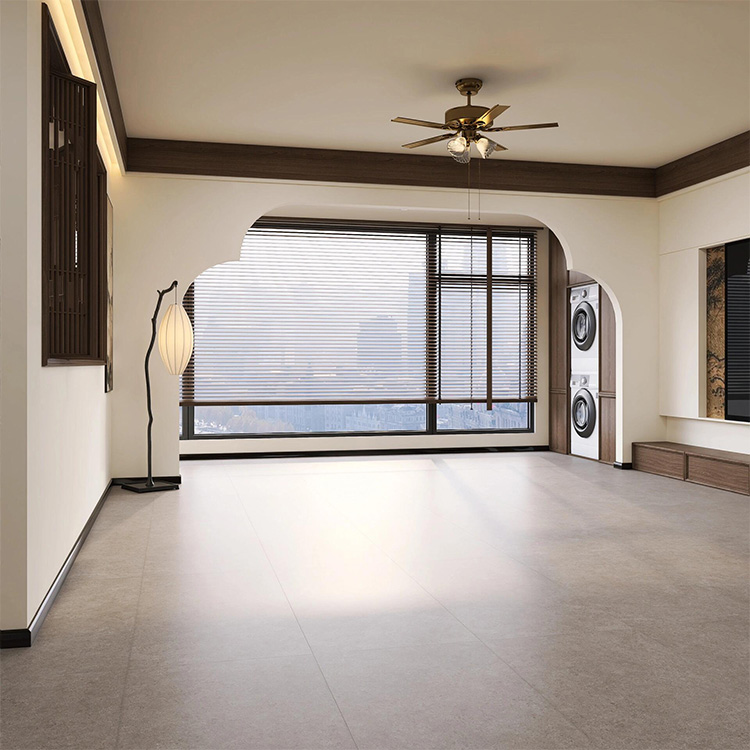
Imagine that shallow space behind the sliding doors in most bedrooms. There’s usually one hanging rod and maybe a lonely shelf up top. That’s the typical reach-in closet. Fancy houses sometimes have walk-in versions, yet the basic idea never changes: the closet is part of the actual building. Walls, floor, and ceiling lock it in place forever. The builder chose its size and shape years before you ever stepped inside.
You get a neat, hidden look that flows with the room. Real-estate agents love them because they boost selling price. But once the drywall is up, you’re trapped. Want extra drawers, double rails, or proper shoe shelves? Get ready for dust, noise, and a painful invoice. Move house? Your amazing custom setup stays behind for the next family to enjoy.
In rentals or older buildings, closets are often tiny and weirdly shaped. One short rod and a single shelf can’t even hold a full week of outfits, never mind winter coats, handbags, or shoes.
What Is a Wardrobe — and Why Does It Feel So Much Smarter?
A wardrobe is standalone furniture built from the start to store clothes, shoes, and accessories perfectly. You can roll it into any corner, any room, even the hallway on a rainy day. Feel like refreshing the bedroom layout? Just push it to another wall. Moving to a new city? It hops in the truck with you.
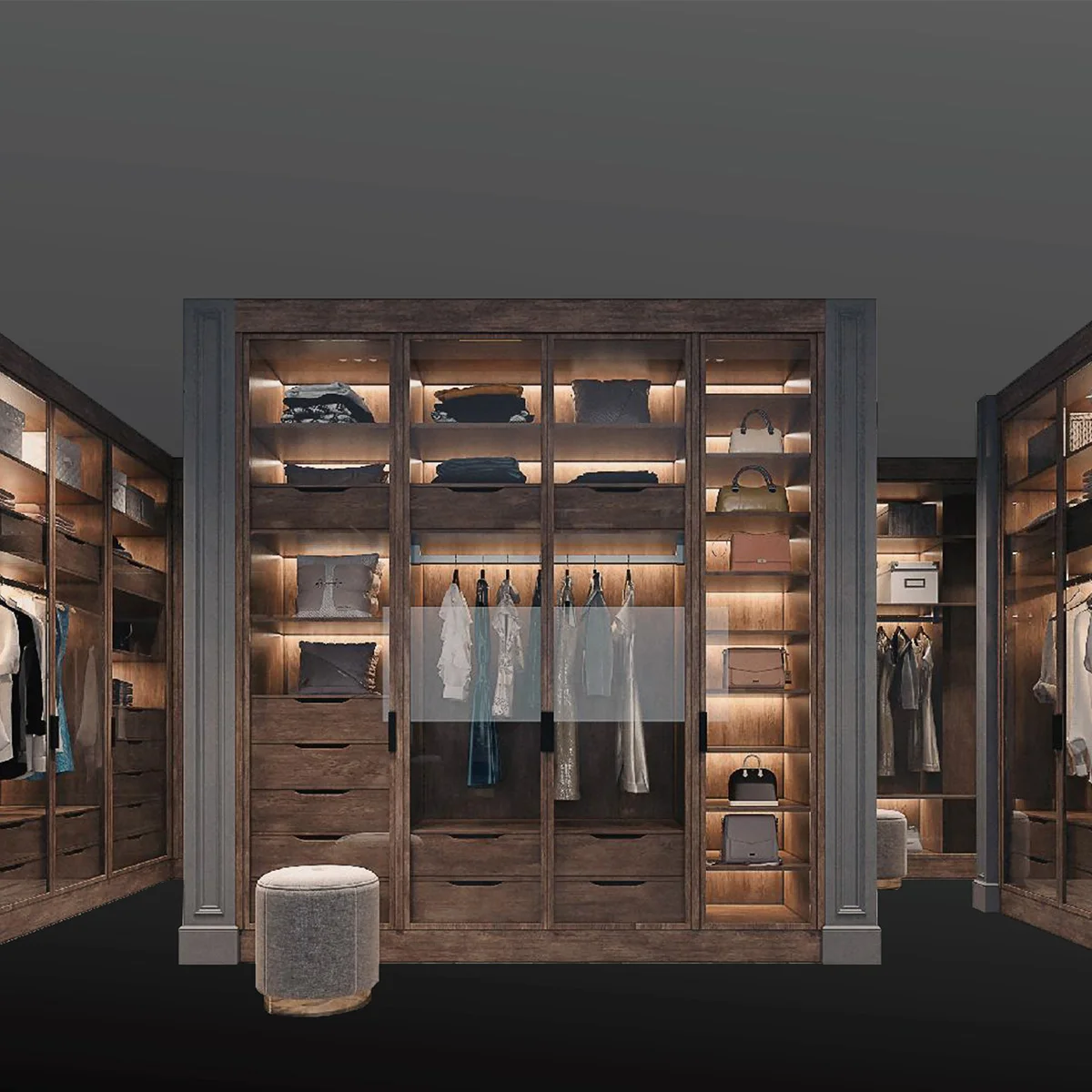
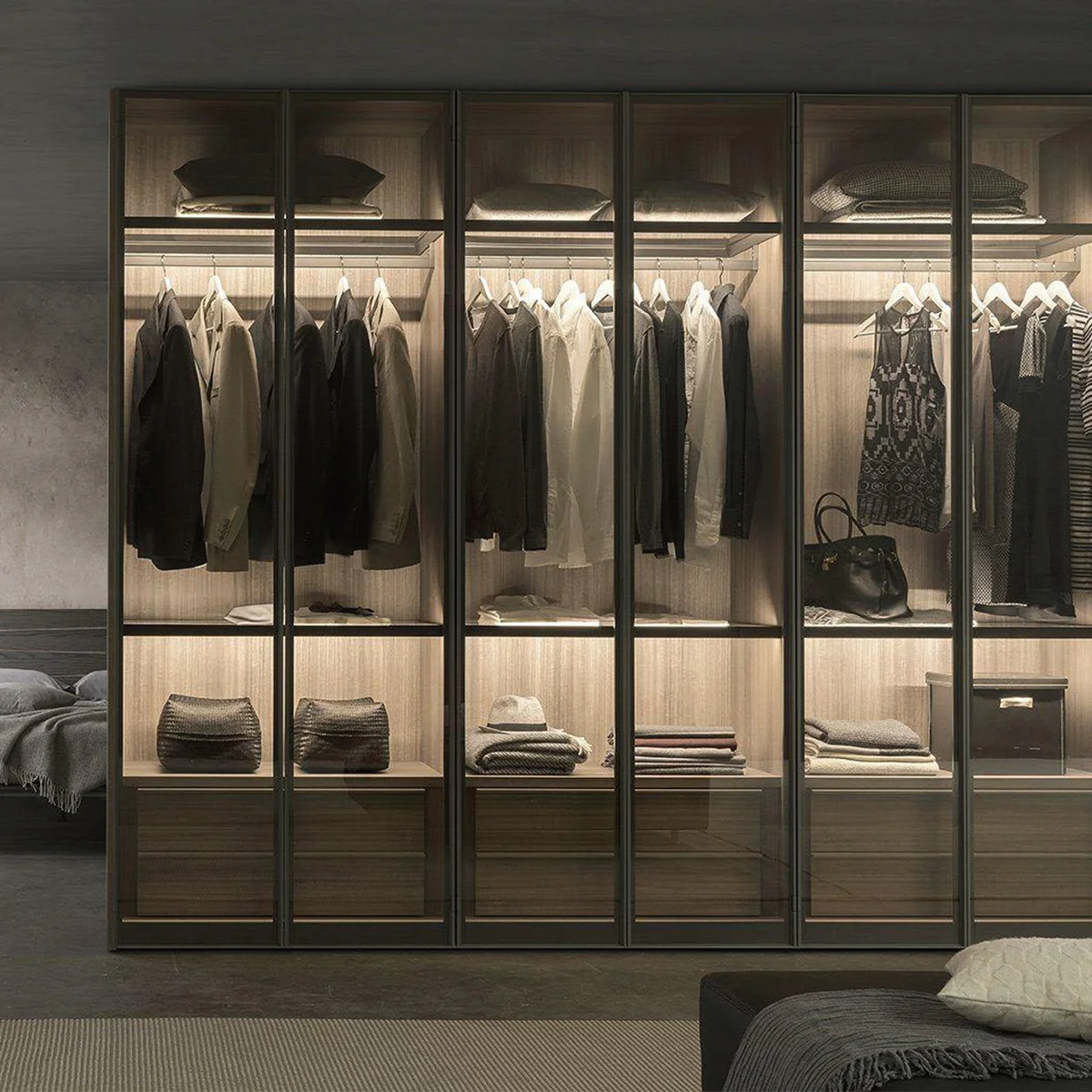
Today’s wardrobes come in all the sizes real people actually need. Sliding doors save precious floor space in cramped rooms. Full mirrored doors make small bedrooms feel twice as big and save you buying a separate mirror. Inside, you often find movable shelves, smooth pull-out trouser hangers, soft velvet drawers, neat tie racks, and gentle LED lights that flick on the moment the door opens.
Last year I helped my best friend set up her very first apartment. She instantly loved the clean, simple lines and all the clever little details. If you want something that feels just as fresh and useful, check out this Wardrobe. It has smooth sliding mirrors, quiet soft-close drawers, and a smart inside layout that finally treats folded jumpers and hanging dresses equally well.
Five Real Advantages You Notice the Very First Week
-
You can move it the moment life shifts A baby arrives? Turn the spare room into a nursery and wheel the wardrobe down the hall in minutes. Built-in closets simply can’t do that.
-
Zero messy building work The delivery guys arrive, assemble everything in an hour or two (or it comes already built), and you start filling it that same afternoon.
-
You decide every centimeter Move shelves up or down in seconds. Need tall space for long coats this year? Easy. Want double hanging for shirts next season? Done.
-
Your room looks better instantly A gorgeous wardrobe turns into the star of the bedroom. Rich walnut warms cold modern spaces; bright white with subtle gold handles brings quiet luxury.
-
You actually save cash over time A quality freestanding wardrobe costs far less than hiring carpenters to redo a closet—and it keeps its worth when you move.
Side-by-Side: Which One Wins for Your Lifestyle?
| Feature | Built-in Closet | Freestanding Wardrobe |
|---|---|---|
| Can you take it with you? | No | Yes |
| Installation | Weeks of noisy work | An hour or two at most |
| Change layout later | Costs a fortune or impossible | Shift shelves yourself |
| Works in rentals | Only if the landlord agrees | Always belongs to you |
| Adds visible style | Stays hidden | Becomes lovely furniture |
| Extra storage for shoes/bags | Usually forgotten | Included from the start |
Look at that table and ask yourself one honest question: how long will you live in this place? If it’s less than ten years—or you simply enjoy switching things around—the choice is obvious.
How to Choose the Perfect Wardrobe for Your Room Right Now
First, grab a tape measure. Make sure you leave about 60 cm in front for regular doors to swing (or pick sliding doors and need zero extra space). Check ceiling height—many great wardrobes go up to 240 cm so nothing is wasted above.
Next, think about how you really dress. Do you fold most clothes? Choose deep shelves and plenty of drawers. Own lots of long dresses or suits? Look for tall hanging sections. Crazy about accessories? Find built-in jewelry trays and soft LED lights so you can see everything clearly.
Color matters more than people think. Light shades—crisp white, pale oak, soft grey—open up tiny rooms and feel fresh. Darker finishes—warm walnut, deep charcoal—make big rooms feel cozy and hide little marks better.
If you want one piece that nails every single point, the Wardrobe1 I showed you earlier does it beautifully: tall mirrored sliding doors, whisper-quiet drawers, fully adjustable insides, and a timeless shape that works whether your style is calm Scandinavian or understated luxury.
When Built-in Closets and Wardrobes Work Together
Some lucky homes already have huge walk-ins. Even then, adding a freestanding wardrobe gives overflow space for off-season jackets, bulky bedding, or suitcases. Pop a narrower one in the hallway for coats and boots. Or use a slim version in the bathroom area for towels and spare sheets.
Mixing both gives you the absolute best setup: permanent built-in storage plus beautiful, movable furniture that grows with your life.
Ready to Finally Love Your Storage?
You deserve calm, happy mornings where everything is easy to find and looks tidy. A carefully designed freestanding wardrobe brings that joy every single day—without dusty renovations or sadness when you move out.
Take a look at the full collection today. Measure your space. Picture how much lighter and prettier your room will feel. The friendly team offers free design help, ten-year warranties, and professional assembly wherever they deliver.
Send an email to Winway or message on WhatsApp for personal suggestions and the latest special offers. Your dream storage is waiting.
FAQ
Q: Can a freestanding wardrobe really replace a walk-in closet completely?
A: In most homes, absolutely. A smart 200–240 cm tall wardrobe with sliding mirrors and clever sections usually holds more useful space than many walk-ins because every corner is planned for clothes, not odd empty gaps.
Q: Will a wardrobe look cheap compared to built-in joinery?
A: Never, if you pick good materials. Strong frames, smooth soft-close hinges, and real wood finishes look and feel every bit as custom—usually for half the price.
Q: What if I move to a house that already has great closets?
A: Bring your wardrobe anyway and give it a new job. Tons of people turn them into linen cupboards, toy storage, or even extra kitchen pantry space in the next home. Great design always finds a purpose.
