

What is the Difference Between Sanitary Ware and Sanitary Fittings in Design
Defining Sanitary Ware in Architectural and Interior Design
When you plan a bathroom, whether for a fancy home or a busy public spot, you need to know the basic parts well. Sanitary ware covers the main ceramic items that shape the room’s setup and purpose. These items include toilets, basins, bidets, and urinals. They get fixed in place and connected to the building’s waste pipes, and they handle everyday use without losing cleanliness or strength.
Sanitary ware means ceramic bathroom items like toilets, basins, urinals, and bidets. These pieces are made to last and usually need mounting on the floor or wall with pipe connections. The main material, often vitreous china or ceramic, gets chosen for its ability to fight stains, germ spread, and harm from chemicals.
Lately, some makers have added mixed materials to offer more shapes and nicer looks. Still, the heart of it stays in strong ceramics. If you want solid choices that mix good looks with toughness, check out this full sanitary ware set that fits both use and style needs.
Defining Sanitary Fittings and Their Functional Role
Beside the set ceramic parts, sanitary fittings add the moving pieces that handle water control. These include faucets, mixers, showerheads, flush plates, and valves. While sanitary ware sets the base for the bathroom plan, fittings act as the parts people use to work with the area.
Fittings often come from rust-proof metals like stainless steel or brass, usually coated with chrome for better lasting power and even style. What sets these apart is their active role—they manage water movement, force, and heat, adding quick response to a still space.
These working parts must match up exactly with the sanitary ware and the pipe setup. For example, a thermostatic shower valve keeps heat steady and adds safety in shared spots or kid-safe bathrooms. Picking the best fittings turns a simple plan into a useful space made for what people need.
Material Composition and Manufacturing Differences
Materials Commonly Used in Sanitary Ware Production
The big reason ceramics lead in making sanitary ware comes from its key traits. Vitreous china and porcelain go through hot firing steps, which make surfaces that stand up to wear, water soak, and germ buildup.
Materials in sanitary ware focus on lasting well, staying clean, and being easy to keep up. These features make them great for homes and business places where dirt control matters most.
Some new styles use mixed materials—like resin-mixed ceramics or acrylic mixes—to bring smoother forms and lighter weights. This helps in fresh design ideas that want simple looks without dropping quality.
Materials Used in Sanitary Fittings Manufacturing
Sanitary fittings need a varied material plan because of their moving work. Brass stays a top pick for its easy shaping and fight against rust. Stainless steel works well too in wet spots. Chrome coating not only boosts surface toughness but also gives a bright and clean shine.
In budget-tight jobs or where lightness counts, plastic-based parts get used at times. These hold up okay but might not last as long as metal ones. Your choice here relies on what your job expects in strength and money limits.
Functional Distinctions Between Ware and Fittings
Fixed Structural Elements vs. Operational Components
The work split between sanitary ware and fittings covers action as much as shape. Sanitary ware holds still parts—once put in, they blend into the building’s structure. These set the room sizes and need early team-up with pipe plans.
In contrast, sanitary fittings move with use. People touch them each day: twisting taps, setting shower heat, flushing toilets. These spots are where folks connect, so ease of use counts as much as sure work.
This basic gap matters a lot when picking items. Ware gets checked for weight hold and room fit, while fittings must hit marks for force hold, user safety, and water save.
Plumbing Integration and Installation Requirements
Putting in sanitary ware calls for building thoughts like wall strength for hanging toilets or floor tilt for good drain. These fixed steps decide how well the system runs over time.
Fittings need sharp planning too, but more on tech side—thread match, water force limits, flow-back stops, and hidden pipe spots all count. Wrong setup can lead to drips or poor water reach.
For big builds or special homes, clear drawings help a ton. ①We can provide one-stop building materials service solutions, providing Architectural Drawings and Design Renderings of your project.
Aesthetic Considerations in Coordinated Bathroom Design
Harmonizing Form Between Ware and Fittings
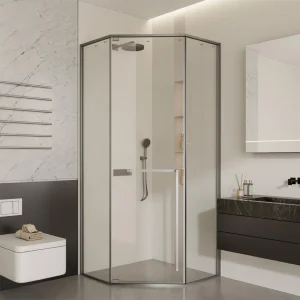
Style match boosts how good a room looks—and bathrooms follow that rule. You should seek balance between ware and fittings with matching lines, fitting sizes, or same coatings.
Matched sets make this easier by giving ready groups where tap shapes match basin edges or flush parts echo toilet styles. This kind of fit not only lifts the look but also speeds up buying choices.
PRODUCTS / Sanitary Ware options available across modern catalogues often come grouped by design themes—whether minimalist linearity or classic curves—allowing you to achieve a unified look effortlessly.
The Role of Finishes, Colors, and Textures in Product Selection
Surface coatings do two jobs: eye catch and care ease. Shiny ones bounce light more and look spotless but can show smudges or wet marks. Flat ones give a calmer feel and hide daily marks better.
Chrome-coated fittings stay popular for working well with white ceramic ware—a basic color set that fits almost any style. For bolder rooms, rough metals or tinted ceramics can add flair while keeping tech soundness.
Highlighting Winway’s Product Advantages in Design Integration
Started in 2004 in Foshan, China, Winway pulls together making skills in ceramics, metals, glass, and mixed materials—all in one linked system. We were founded in 2004, located in Foshan, China. We own ceramic tile factories, sanitary ware factories, door and window factories This full chain lets them check quality tight and link designs smoothly between items and fittings.
Their style group has finished more than 1,000 custom job fixes worldwide—from small hotels to packed flats—making them a steady helper when same style talk matters across many sites.
Practical Applications Across Residential and Commercial Projects
Custom Solutions for Residential Bathroom Layouts
Small city homes often face room squeeze while keeping style true. Piece-by-piece ware that adds storage or side basins helps use space full without clutter.
For high-end homes, picked sets ease buying while making sure each bit—from basin size to tap stretch—fits user comfort best. Matched packs cut pick work while keeping sight balance.
Scalable Systems for Commercial Restroom Installations
Busy public areas need strong build without losing grace. Choices with anti-damage traits—like lock-proof faucets or wall urinals—stretch item life while holding clean standards.
Strength goes past material power to cover water-save tech that cuts bill costs big. Germ-fight glazes on ceramic faces raise clean levels more—a key need in health or guest spots.
Professional Support Throughout the Design Process
End-to-End Service Offering
From first sketches to after-put-in help, your job gets full advice. Our style team—made of top field pros—has gathered over 1,000 job examples from many areas. BIM-ready files let builders add items right into plans, cutting later mistakes.
Help picking materials makes sure each part hits sight aims and rule follows—whether you run a home fix or a business spread over sites.
Contacting for Tailored Project Support
Special account leads handle all—from matching items to your plans to setting ship loads that cut empty space. We also help customers to fill up the containers without wasting the containers space.
If wanted, site tech aid comes via far talks or in-person crew sends. This cuts out guess parts from your flow and keeps put-in true.
FAQ
Q: What is the primary difference between sanitary ware and sanitary fittings?
A: Sanitary ware includes fixed ceramic elements like toilets and basins connected to drainage systems; sanitary fittings are metallic accessories like faucets that control water flow.
Q: Are materials used in fittings safe for long-term use in high-moisture environments?
A: Yes, most fittings are made from corrosion-resistant metals such as stainless steel or brass with protective coatings like chrome plating to ensure longevity.
Q: Can I get help selecting products based on my architectural drawings?
A: Yes. We can provide one-stop building materials service solutions, providing Architectural Drawings and Design Renderings of your project.
