

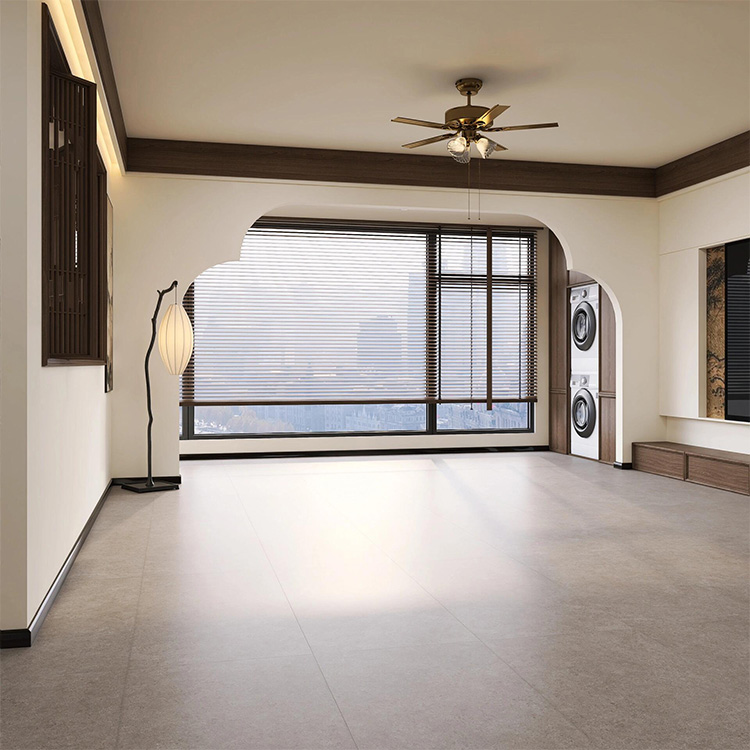
The Ultimate Guide to Choosing High-Quality Sanitary Ware and Tiles for Your Bathroom Remodel
Choosing strong and lasting parts and coverings stands out as the biggest choice you will make when fixing up your house. The bathroom turns into a place with lots of water and people coming and going, so the need for tough materials becomes really important. If you pick the wrong stuff, you might end up with leaks from water, floors that are easy to slip on, and quick damage that changes your nice plan into a constant fix-it job. Are you looking for a hotel-grade sanctuary that balances luxury with long-term durability? Imagine stepping onto a warm, textured floor that offers perfect grip even when wet, paired with a seamless ceramic basin that stays pristine with just a quick wipe. This article looks into the key points for choosing top materials that keep your bathroom as a calm spot for many years ahead.
1. The Foundation of Quality: Selecting the Best Bathroom Sanitary Ware
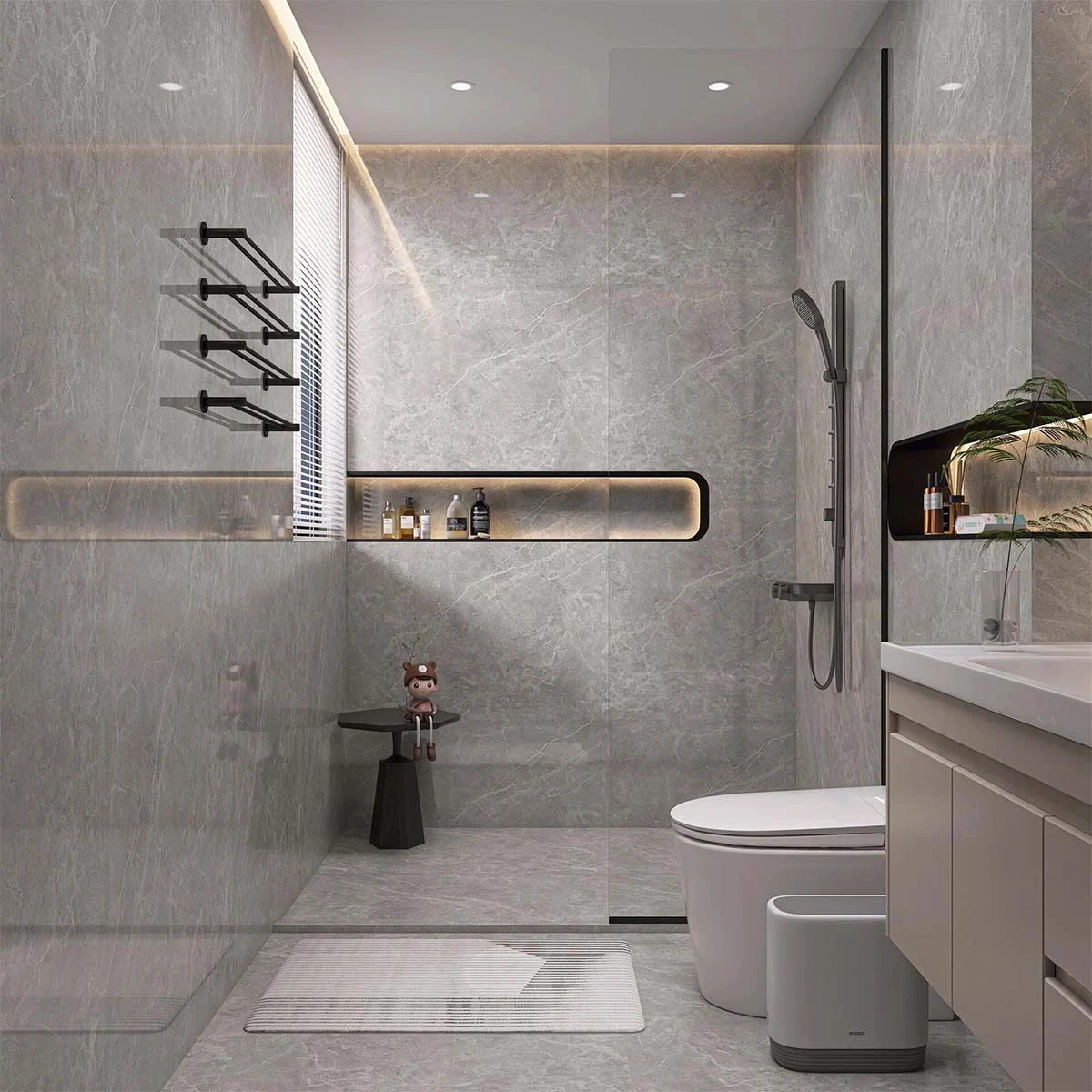
When you start looking for the best bathroom sanitary ware, you need to keep your attention on how solid the material is and how careful the making process turns out. Many fine pieces come from clay or smooth china, yet the real gap in how good they are shows up inside where it counts most for everyday use.
Superior Glaze and Density
How long a toilet or sink lasts comes down to the way heat shapes it in the oven. Top bathroom sanitary ware goes through a hot baking step—often exceeding 1,200°C—that builds a thick, water-tight inside. You want to find items with a “self-cleaning” or tiny-layer shine on top. This extra-slick layer stops germs and hard water marks from sticking, so cleaning every day stays simple and quick without much work.
Water Efficiency and Flush Technology
New ways of building have gone past just working okay. As you check out various types, think about the inside parts that handle the water flow. Two-choice flush setups have become normal for people who care about saving water, letting you pick a big rinse or a small one based on need. This smart setup makes sure that even with less water, the spinning pull stays strong enough to leave the inside spotless after each use, helping the environment while keeping things clean.
2. Mastering the Surface: How to Choose Tiles for Safety and Style
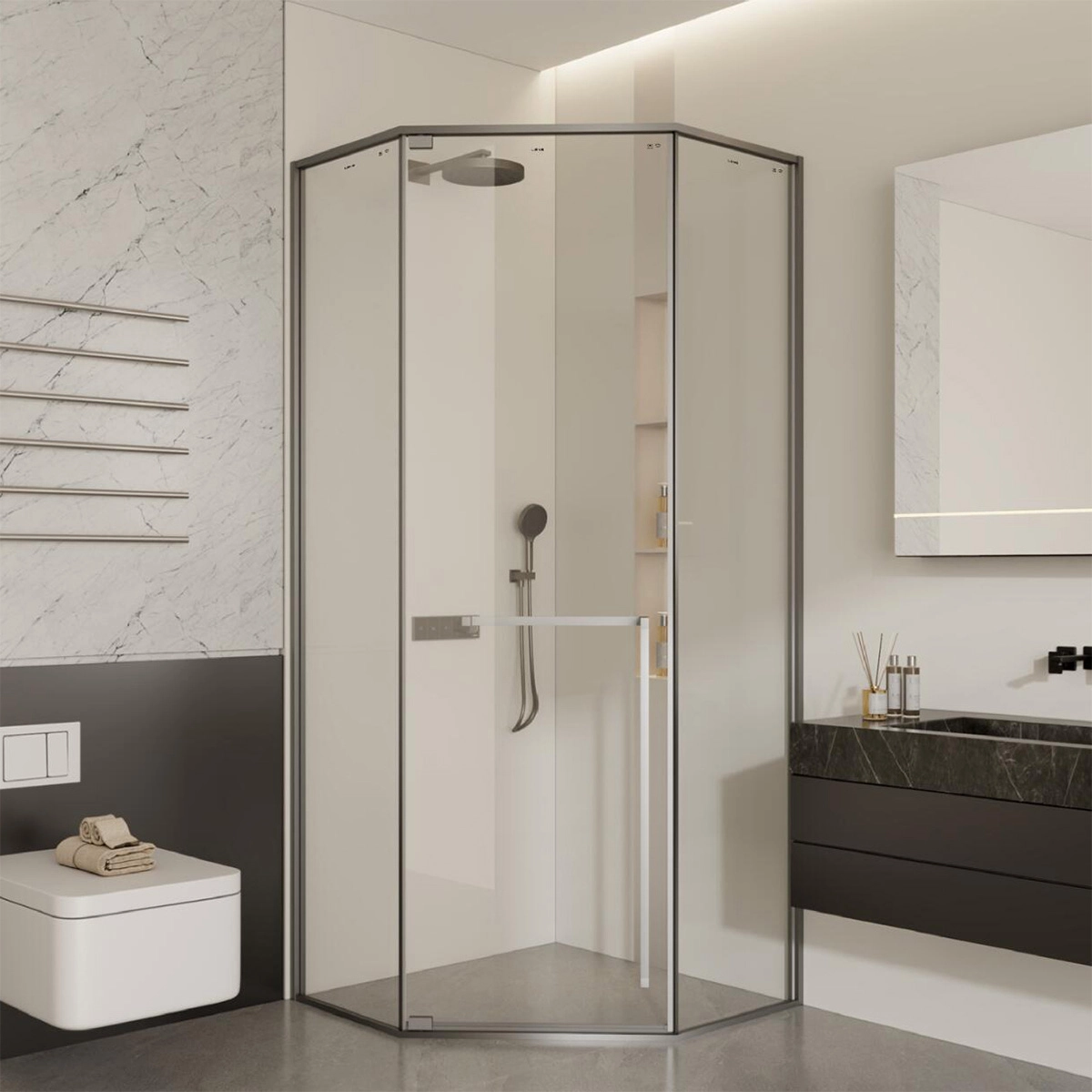
Choosing the correct covering means finding a mix between how it looks and how safe it feels underfoot. The matter of how to choose tiles usually boils down to which part of the bathroom you plan to cover. A shiny coat might catch the eye on a main wall, but it could cause trouble on a damp ground where slips happen often.
Prioritizing Anti-Slip Ratings for Floors
Staying safe counts as the top worry for bathroom ground covers. Always look at the slide-proof score, which people call the R-value or DCOF (Dynamic Coefficient of Friction) number. According to ANSI A326.3 standards, specific ratings are recommended to ensure family protection during busy mornings or evenings.
| Area Type | Recommended R-Rating | Recommended DCOF | Tile Finish |
|---|---|---|---|
| Main Bathroom Floor | R10 | ≥0.42 | Matte / Honed |
| Shower Areas | R11 | ≥0.60 | Textured / Mosaic |
| Decorative Walls | N/A | N/A | Polished / Glossy |
For wet zones like showers and the main walking areas, a flat or rough top works best. These kinds give the right grip even with soap and water around, cutting down the chance of falls by a good amount.
Enhancing the Room with Bathroom Wall Tiles
The sides of the room give you more room to play with ideas since they skip the same no-slide rules as the ground. Fine bathroom wall tiles act as the base for your whole look. When installing these large-format tiles, choosing a matching grout color can further minimize visible seams, creating a true slab-like finish. Big-size tiles sit in style right now because they cut down on the lines between pieces, giving a clean view that helps tiny bathrooms seem much bigger.
3. Strategic Coordination of Materials
The top bathroom setups come from places where the feels and colors match well together. You do not want your pieces to fight with your covers; instead, they ought to go together nicely to build a space that flows without breaks.
Matching Tones and Textures
Suppose you went with a simple, dull-top tile for the ground; then pair it with shiny bathroom sanitary ware to make a smart difference that adds interest. By holding to a steady set of colors—mostly two or three main ones—you make sure the area looks put-together instead of messy.
Case Study: The Minimalist Suite
A recent project utilized large-format gray porcelain floor tiles (R10) paired with high-gloss white floating vanities. The contrast between the light-absorbing floor and the light-reflecting sanitary ware created a depth that made a small space feel like a high-end spa.
The Role of Lighting in Material Selection
Shiny tops bounce light back, which can make a dark half-bath brighter. Flat tops take in the light, giving a relaxing vibe. When picking the best bathroom sanitary ware and tiles, it helps a lot to check samples under your home’s own lights to watch how shades change from morning to night.
4. Why Professional Sourcing Makes the Difference
Even the finest stuff needs the correct know-how to fit your exact job right. Teaming up with a focused group can shift your fix-up from full of worry to smooth and easy all the way through. With over 15 years of experience in the global building material industry, and as a premier partner for builders in regions like Southeast Asia, Australia, and North America, the best provider can save or spoil a whole effort.
I suggest checking out Winway for what you need to source. They serve as a full helper for projects across borders, with a focus on top building items. Their skill in offering a single-place fix means you skip dealing with many sellers at once. From the first plan steps to the last check on quality, they aim to send items that hit strict world rules, such as ISO 10545-3 for tile water absorption.
Tailored Product Solutions
No two bathroom plans match exactly, and plain store items sometimes fall short. A skilled helper can guide you through the details, making sure the water paths, sizes, and fix points line up just right with your pipes setup. This kind of custom care lowers the odds of wrong installs and keeps you from wasting time or cash later on.
5. Long-Term Maintenance and Care
After you finish the change-up, keeping the nice look of what you spent on takes just a bit of steady work. Strong materials build in easy care, but they still need some attention now and then to stay at their best.
| Feature | Maintenance Task | Frequency |
|---|---|---|
| Sanitary Ware | Wipe with non-abrasive cleaner | Weekly |
| Grout Lines | Re-seal with a water blocker | Annually |
| Rubber Seals | Inspection for leaks | Every 6 Months |
Avoid Abrasive Cleaners: For your china pieces and bathroom wall tiles, stay away from rough cleaners or metal scrubbers.
Grout Sealing: The tiles block water fine, but the filler lines between can soak it up. Putting on a good blocker once each year stops fuzzy growth and color spots.
Regular Inspections: Periodically look over the rubber edges around your tub and sink stand. Making sure these hold water tight stands as the top way to stop damp from getting under the base or into the sides.
Planning your remodel now? Contact a Winway expert today to receive a customized quote or explore our full product catalog for your project.
FAQ
Q: What is the most durable material for a bathroom sink?
A: Smooth china or hard-baked clay counts as the top pick for sink bases. It stays very solid, fights off marks, and the water-proof shine blocks spots from sticking, keeping it fresh for a long stretch of time without fading.
Q: Can I use the same tiles for both the floor and the walls?
A: Yes, but make sure the tile meets ground standards. While most ground tiles work on sides, not every bathroom wall tile holds up strong enough or grips well enough for walking areas. Check the maker’s info for “ground use” marks.
Q: Is porcelain or ceramic better for bathroom floors?
A: Porcelain gets baked much hotter from thicker mud. This turns it almost fully against water with a soak rate under 0.5%, which matters a lot to stop breaks in damp spots. It also runs “full-color” inside, so if a chip happens, the shade matches through.
