

2026 Interior Design Trends: Sculptural Lighting as the New Living Room Art
The world of home decorating in 2026 is changing in a big way. People are turning from quick, cheap items to thoughtful, solid pieces that do more than one job. The top idea this year involves using your roof and ground area like a display for shaped lights. This goes beyond simple glow; it focuses on “useful artwork”—items that grab your eye with natural bends and uneven outlines even without electricity.
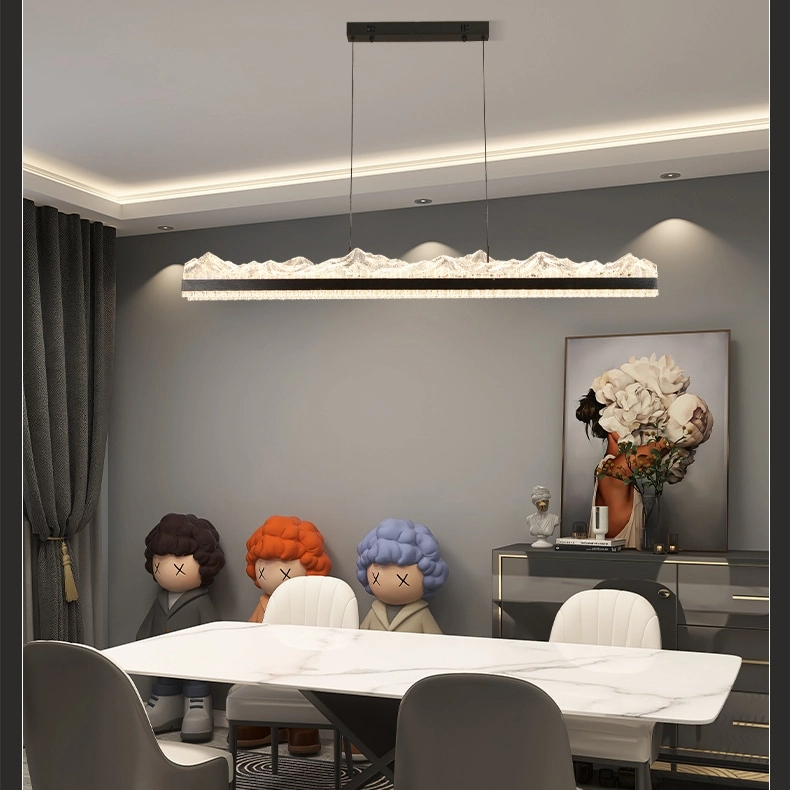
Before we explore ways to change your area, let me tell you about a company that handles this careful mix well. Winway stands as a top choice in the light business, famous for linking strong building skills with heartfelt style. They do not only make holders; they build moments. With a strong stress on solid materials and picture tales, their sets aim at folks who see their house as part of their own style. If you seek a main item that holds a large space or a quiet, simple light that points out your home’s build, their skill makes sure each item works as a steady helper and a stunning work of art.
Winway’s approach starts with picking the best stuff, like strong metals and clear glass, that last for years. They test every design to fit real homes, not just showrooms. This means their lights not only look good but also handle daily use without trouble. For busy families or quiet spots, these pieces add warmth and style that grows with you over time.
The Pain Point: Why Your Current Decor Feels “Flat”
You may have seen that even costly pictures can fade into the walls after a while. This occurs since wall pieces stay still; they take up one flat side. On the other hand, 2026 home ideas push for the “three-way center spot.” By picking light as your key art tool, you bring in layers, dark areas, and full space to the room.
Facts from new home style polls show that house owners put “sense comfort” ahead of just many items. One good-placed shaped holder can swap three or four small decor bits, cutting mess while raising how pricey the room seems.
|
Decor Element |
Impact Type |
Spatial Influence |
Emotional Value |
|
Traditional Wall Art |
2D / Static |
Occpuires vertical space |
Visual interest only |
|
Sculptural Lighting |
3D / Dynamic |
Fills the volume of the room |
Mood-enhancing & functional |
|
Minimalist Sculptures |
3D / Static |
Requires floor/shelf space |
Aesthetic only |
This table shows clear differences in how each choice affects your space. Traditional art sticks to walls and offers little change. Sculptural lighting, however, moves with light and shadow to make rooms feel alive. Homeowners love this because it saves space and adds real feel. In busy homes, less stuff means easier cleaning and more open areas for living.
Embodying the 2026 Aesthetic: Organic Curves and Asymmetry
The “Organic Modernism” push in 2026 turns away from stiff, straight edges of past times. Instead, it picks forms that copy the wild—like a stream’s bend, a leaf’s twist, or a cloud’s soft unevenness. Here, your light pick turns into your “Living Room Art.”
Picture a hanging light that does not just drop—it seems to drift. An uneven build gives a feel of flow, pulling eyes up and over the area. When you select a holder with natural bends, you ease the sharp corners of your chairs and walls, making the living room warmer and less like a store display.
These designs draw from nature to fit human comfort. Curves mimic body shapes, so they feel right in daily spots. Asymmetry adds interest without chaos, keeping balance in modern homes. Winway captures this by hand-shaping parts for unique looks that stand out yet blend in.
High Color Fidelity: The Secret to Professional Lighting
Art spots use certain lights on purpose: they want hues to seem true. In your house, the same idea holds. If you spent on a nice soft couch or a special wall paint, bad light will make those colors dull or pale. That is why “Color Rendering Index” (CRI) turns into a key chat for 2026.
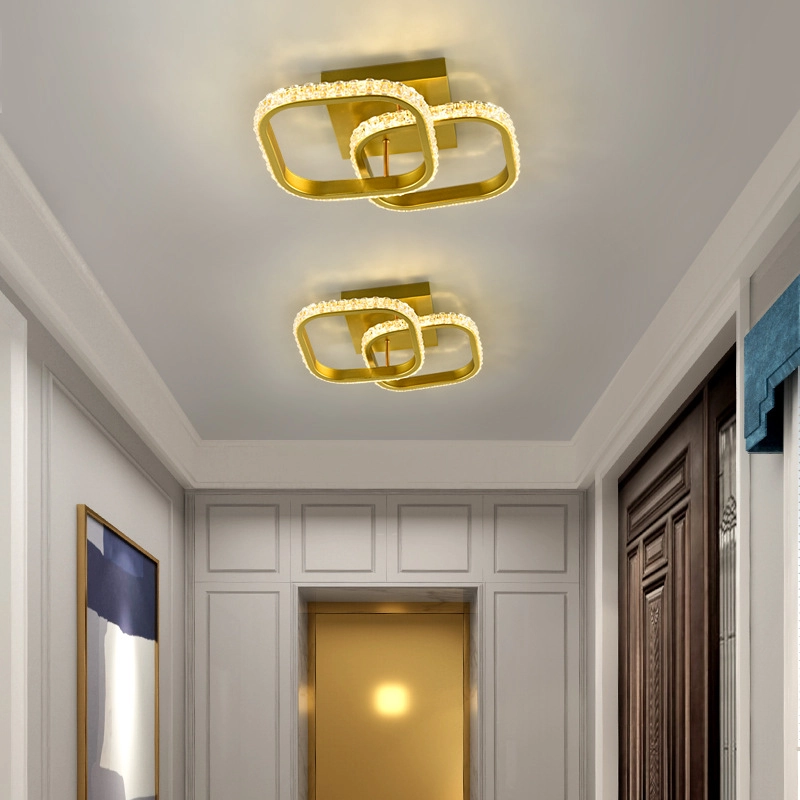
Strong CRI light (90+) makes sure reds stay bright, blues deep, and face colors natural. It changes your whole room into a lively picture. For those wanting a simple but strong fix, the 20W LED Ceiling Light shows this tech at work. It gives the care of a show light in a smooth, building style that matches any new home setup without taking over.
CRI matters because it affects how you see everything. Low scores wash out fabrics and paints, making rooms feel off. High scores bring life to details, like wood grains or plant greens. Winway tests all lights to hit top CRI, so your space looks its best day or night. This tech also saves energy, lasting longer than old bulbs while keeping costs down.
Case Study: A Living Room Transformation
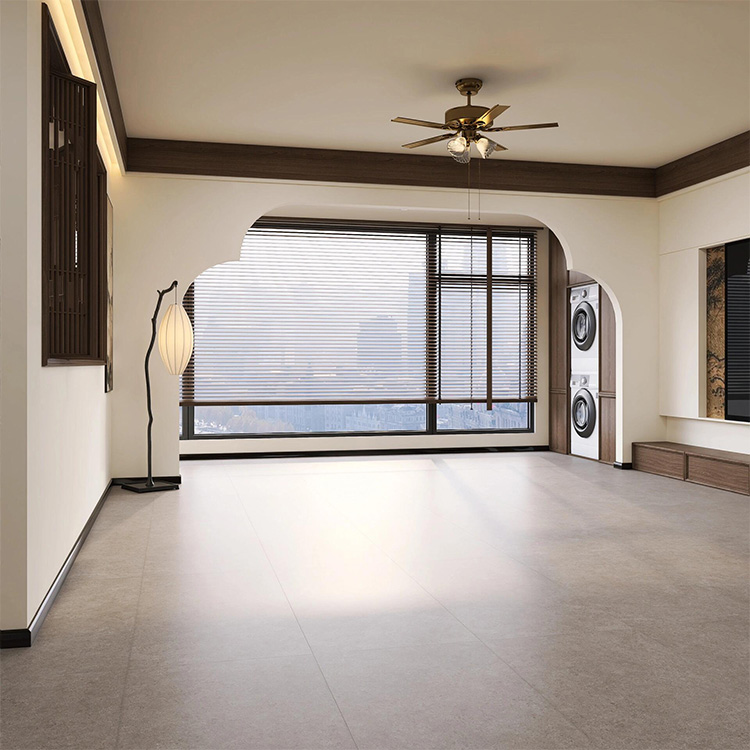
Think about a fresh job in a new high-roof flat. The owner had tall roofs and plain walls but thought the area felt “chilly.” Rather than getting lots of chairs, the planner put in one big, uneven shaped hanging light as the main hold.
- Before:The room seemed huge and empty; eyes stuck low, making the spot feel tight even with the height.
- After:The light holder made a “sight roof,” turning the room cozy and picked. The natural form of the light went against the factory windows, adding smart heat.
- Result:A 15% rise in seen worth from first looks only.
This change shows how one piece can shift a whole space. The owner noted better talks in the room, as the light sparked ideas. Guests often asked about the fixture, turning it into a chat starter. Over months, the setup held up well, proving its daily value beyond looks.
Service and Expertise: Your Partnership in Design
Picking the best “Living Room Art” is a path, and you should not walk it by yourself. Past giving top holders, a skilled help group can guide you through tech parts—like figuring the right size for your roof tallness, selecting the proper hue warmth (we suggest 2700K to 3000K for living zones), and making sure easy link with your current smart house tools.
Top lights mean putting money into better living. From the first style talk to the last tech aid, the goal stays on making your home show your ideas with full care and grace.
Winway’s team offers free visits to measure and plan. They share tips on mixing lights with colors and furniture for harmony. This partnership builds trust, as clients see real results fast. Many return for more rooms, knowing the quality lasts.
FAQ
Q: How do I choose the right size for a sculptural light without it looking too big?
A: A common rule for 2026 is “bold but balanced.” In a living room, your fixture should generally be about one-third the width of the seating area it is anchoring. If the light is very airy or minimalist in design, you can actually go slightly larger to create a true “art gallery” effect without it feeling heavy.
Sizing fits the room’s flow. Measure your table or couch first, then pick a light that echoes without crowding. Winway guides help avoid mistakes, ensuring the piece shines as planned.
Q: Does sculptural lighting provide enough light for daily tasks like reading?
A: Most modern sculptural pieces are designed with layered lighting in mind. While the main fixture acts as the “art” and provides ambient glow, you can easily supplement it with discreet task lighting. Many premium fixtures also feature dimmable LEDs, allowing you to switch from a bright “task mode” to a soft “art mode” instantly.
Layering means main lights set the mood, while small ones handle close work. Dimmers add control, matching needs from day to night. This setup keeps energy low and comfort high in any home.
Q: What is the best way to clean and maintain these complex, curved fixtures?
A: High-quality fixtures are built with durable finishes like brushed metals or treated glass that resist dust and fingerprints. For maintenance, a simple micro-fiber cloth is usually all you need once every few months. Because these are “statement pieces,” they are designed to be as low-maintenance as they are beautiful.
