

Should You Update Your Interior Doors? Signs It Is Time for a Change
Interior doors affect privacy, light, sound, movement, and the way rooms feel every day. Updating the set is worthwhile when the existing installation creates repeated problems, no longer suits the room plan, or cannot support the way the space is now used. Winway was founded in Foshan in 2004 and operates door and window factories alongside design and after-sales teams. The right update begins with use and installation conditions, not only a new finish.
What Signs Show That an Interior Door Set Needs an Update?
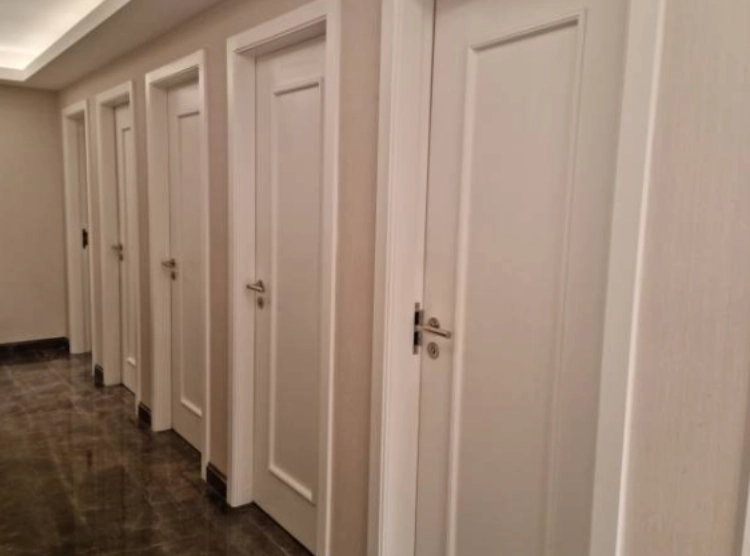
An opening does not have to look damaged to be a poor fit. Daily friction, noise, privacy, clearance, and repeated maintenance problems are also valid reasons to review the complete installation. Start with the room’s use and the condition of the opening.
The Door No Longer Closes or Latches Properly
A door that rubs, drifts open, catches at the frame, or needs repeated force can point to movement, hardware, frame, or installation problems. Repair may solve an isolated issue, but repeated correction is a signal to inspect the whole door set and the condition of the opening before ordering a replacement.
The Room Needs Better Privacy or Sound Control
A bedroom, study, bathroom, and meeting space do not all need the same level of separation from the entry set. If sound, light, or visibility passes through an opening in a way that conflicts with the room’s use, an update may improve the space more than repainting the walls. Confirm the required function with the owner before choosing a style.
The Door Blocks a Changed Layout
A new bed, cabinet, desk, or accessibility requirement can change the clearance needed around the entry. Review the swing, handle position, passage width, floor transition, and nearby furniture. The set may be functioning as designed but no longer functioning well in the room.
How Should Buyers Choose a New Interior Door?
The replacement should solve the identified problem and remain compatible with the opening, hardware, room use, and interior language. Treat the door, frame, casing, hinges, handle, and installation sequence as one specification.
Match the Door to the Room Function
Start with privacy, light, sound, frequency of use, cleaning, and the people who will operate the door. A decorative choice that makes a bedroom feel right may be less useful for a high-traffic utility room. Function gives the style a boundary and helps the buyer explain the decision to the installer.
Check Swing, Clearance and Hardware
Measure the opening, wall return, floor condition, casing, handle position, and nearby furniture. Confirm whether the new slab, frame, and hardware work as a set. A door can be the correct nominal size and still fail because the handle meets a cabinet or the swing reduces the route. Check the opening from both sides before approval.
Coordinate Light and Visual Weight
The opening, panel layout, glass area, and surrounding wall affect how a room feels. Compare the door from the hall and from inside the room. A door is seen from both sides, so its relationship with adjacent rooms matters in a whole-home update.
Which Winway Door Directions Can Be Compared?
Product directions help buyers organize the choice, but the room’s opening and use still decide the final fit. Compare the complete assembly rather than judging a door leaf from a product image alone.
Modern Interior Doors for a Clean, Simple Setting
Modern Interior Doors is a starting point for a clean interior direction. Compare the panel expression, opening size, handle relationship, and visual line from nearby rooms. A modern door should be judged by how it settles into the full wall and how the complete set will be installed and maintained.
Contemporary Interior Doors for a More Defined Transition
Contemporary Interior Doors can suit a room where the door needs a clearer design presence while remaining part of the interior. Check how its lines, panel proportions, and opening movement work with flooring, skirting, furniture, and nearby doors. The surrounding details decide whether the result feels coordinated.
Compare the Set, Not Just the Door Leaf
Review the leaf, frame, casing, hinges, handle, threshold, and installation details as one set. A door leaf can look suitable while the frame or hardware creates a mismatch. A complete product conversation is easier to approve, install, maintain, and replace than a list of disconnected parts.
What Should Be Confirmed Before Replacing an Interior Door Set?
Door replacement is a small construction project. The opening, delivery route, installation sequence, and future maintenance need a shared record. Winway’s one-stop building-material service can support measurement, material selection, ordering, production, quality inspection, loading, and shipment.
Survey the Existing Opening
Record width, height, wall thickness, floor level, frame condition, swing direction, and nearby obstructions. Decide whether the existing frame remains or the set is replaced together. This prevents a new product from being ordered against an inaccurate opening. Keep the approved drawing with the finish and hardware decision.
Plan Occupied-Space Installation
Residents, staff, and furniture still need to move through the building while work is underway. Plan delivery, temporary storage, protection, removal, installation, and cleanup. A clear sequence lowers disruption and reduces the chance of damaging the new door before handover. For project orders, confirm the loading and delivery route before production is completed.
Keep a Replacement and Care Record
Record the approved door direction, dimensions, finish, frame decision, hardware, installation notes, and care method. Winway’s quality process includes supplier and raw-material selection as well as finished-product inspection, with inspection reports and container-loading photographs available as project records. Its after-sales team supports installation, maintenance, customer questions, complaint handling, and replacement logistics across more than 50 countries.
Decide first whether the problem is isolated or belongs to the complete set. Repair is reasonable when the opening, frame, and clearance still suit the room and the defect is limited to a serviceable component. Review the complete set when the door repeatedly drifts, the frame has moved, the hardware conflicts with the new layout, or the required privacy and circulation cannot be achieved by one repair.
A replacement should be checked from both sides of the opening. The hallway view, room view, handle position, casing, frame, floor transition, and nearby furniture all affect the result. A door can look right in a product photograph and still feel wrong when its swing narrows a route or its hardware meets a cabinet. Measuring the occupied space prevents that surprise.
For several rooms, keep a clear record of the approved design direction, opening size, frame decision, hardware, care method, and replacement route for each installation. Winway’s design team has accumulated more than 1,000 project cases across diverse sectors, which supports a coordinated approach when a project updates multiple rooms or combines doors with other building materials.
Before ordering, compare the cost and disruption of repair, replacement of one component, and replacement of the complete set. The cheapest visible fix may leave the frame, hardware, or clearance problem in place. A measured opening and a written installation sequence make the decision easier to review with the installer. They also reduce the chance that a good-looking door is delivered without the parts needed to operate it properly.
For a related decision framework, read How to Choose a Room Door That Matches Your Interior Design before finalizing the specification.
Conclusion
Update the interior door set when repeated operational problems, privacy or circulation conflicts, or a changed room plan cannot be solved by an isolated repair. Compare Modern Interior Doors and Contemporary Interior Doors as complete assemblies, including the opening, frame, casing, hinges, handle, and installation sequence. Before ordering, confirm the measured opening, approved finish, delivery route, maintenance record, and the action to take if any component does not match the specification.
Contact
Use the contact page to share the application, quantity, dimensions, drawings, opening condition, finish, hardware, and installation questions before the next review.
FAQ
When should I replace an interior door set?
Consider replacement when the set no longer closes properly, provides the needed privacy, suits the changed layout, or coordinates with the updated room. Repair may be enough for an isolated small defect when the opening and frame remain suitable.
How do I choose between modern and contemporary interior doors?
Compare the room function, panel expression, opening, hardware, surrounding finishes, and the view from both sides. Style should follow the room rather than replace practical checks. Approve the complete door, frame, and hardware set together.
What must be measured before ordering a door?
Measure opening width and height, wall thickness, floor level, frame condition, swing direction, handle clearance, nearby obstructions, and the delivery and installation route. Record the approved finish and hardware so future maintenance or replacement can follow the same specification.
