

Window Warranties Guide: What Buyers Should Check before Making a Purchase
Selecting windows for a residential or commercial project affects the initial budget, installation risk, maintenance exposure, and long-term replacement cost. Buyers often compare window replacement choices by appearance, thermal performance, glazing, and frame finishes first, then review the warranty at the end. That order can leave important risks unresolved. A written window warranty should explain what is covered, for how long, under which conditions, and who pays for parts, labor, shipping, and site work.
Before releasing a purchase order, procurement teams should separate frame, insulated-glass, hardware, finish, installation, labor, shipping, and site-access coverage. Each item should be matched to the quoted window series and project conditions, with the responsible party, exclusion, evidence requirement, remedy, and claim route confirmed in writing.
What Does a Window Warranty Actually Cover?
A window warranty rarely assigns one period to the complete building unit. Manufacturers normally separate the frame or profile, insulated glass unit, hardware, finish, and installation scope. Before signing, match each period to the exact product series, glass configuration, hardware package, installation scope, project location, and remedy. A general range is not a substitute for an order-specific warranty.
Frame and Profile Coverage
Warranty for the frame and profile, which holds the glazing and operating sashes, would cover structural failures and/or finish failures. For aluminum profiles, this would include coverage of color change, chalking, corrosion, and deformation, as well as damage from coastal exposure and other unsuitable cleaning methods. Make sure the written warranty document clearly outlines the specific finish or profile covered, start date, remedy and any required inspections and maintenance. Don’t advertise a frame as being protected for decades unless the specific model you quoted is covered by the Winway written warranty for that time period.
Glass and IGU Seal Integrity
Insulated glass units (IGUs) require a separate review because the seal, spacer, gas fill, coating, and glass make up one performance assembly. Persistent condensation or fogging between panes can indicate a seal problem, but the warranty should define the evidence needed and the inspection method. Confirm whether the remedy is a replacement glass insert, a complete sash or panel, or another correction, and whether labor, access equipment, and shipping are included. The coverage period shown in a supplier’s written warranty controls; do not treat a generic 10-to-20-year market range as a Winway commitment.
Hardware and Operating Parts
Casement cranks, sliding tracks, balances, hinges, rollers, and locking mechanisms are wear components. Their coverage may be shorter than the frame or glass coverage and may depend on operating cycles, cleaning, adjustment, and the selected hardware grade. Ask whether the remedy provides replacement parts, a complete hardware assembly, labor, or a prorated credit. The warranty should also state how spare parts are ordered and whether the same hardware remains available during the claim period.
What Can Void or Limit Window Warranty Coverage?
Even a well-written window warranty can exclude damage caused by conditions outside the manufacturer’s stated scope. The most common limitations relate to installation, cleaning, maintenance, films, drilling, alterations, and use outside the approved operating conditions. Treat each limitation as a procurement requirement and pass it to the installer and facilities team.
Improper Installation Procedures
A manufactured unit can leak, bind, or operate poorly when the opening is out of square, the frame is not adequately shimmed, or flashing and drainage are incomplete. Many warranties limit coverage for defects caused by installation outside the supplier’s written instructions. Instead of relying on a universal tolerance such as a quarter inch out of plumb, obtain the Winway installation requirements and record the installer, inspection checks, photographs, and sign-off. The warranty should state whether a site inspection is required before a claim is accepted and how installation-related responsibility is divided.
Incorrect Maintenance and Cleaning
Cleaning and maintenance methods can affect finishes, seals, tracks, and moving parts. High-pressure washing, abrasive tools, petroleum-based products, or unsuitable chemicals may damage a component and may be excluded from coverage. Use the product maintenance instructions supplied with the order; if the document permits a lubricant or cleaning agent, record the approved product and frequency. Do not promise that a particular spray or soap preserves the warranty unless Winway states it in writing.
Unauthorized Modifications or Alterations
Aftermarket films, drilled sensors, replacement hardware, and other alterations can change the thermal, structural, or drainage behaviour of a window. A dark film may increase heat absorption in some insulated-glass configurations, but the effect depends on the glass, film, exposure, and installation. Confirm compatibility before applying a film or drilling into an extrusion, and ask whether the proposed modification requires written approval. A warranty exclusion should be tied to the specific alteration and affected component, not described as an automatic result without the written clause.
What Should Buyers Verify in the Warranty Contract?
Supplier documentation should make the coverage, exclusions, responsibility, and claim route easy to identify. Ambiguous wording or missing attachments creates a material procurement risk because the buyer cannot price the likely repair, replacement, or site access cost.
Missing Written Documentation
A sales conversation can explain a product, but the warranty that governs a claim should be in a written document linked to the quotation or purchase order. Ask for the exact product series, glass and hardware configuration, installation scope, start date, exclusions, claim contact, and remedy. A generic website page can be useful background, but it should not replace an order-specific warranty attachment.
Coverage Duration and Start Date
A usable warranty states a numerical period and explains when that period starts: shipment, delivery, installation, commissioning, or another defined event. It should also separate parts, finish, glass, hardware, installation labor, and any prorated remedy. The table is a review worksheet rather than a promise of standard market coverage. Replace each entry with the period stated for the actual Winway quotation before approval.
|
Window Component |
What the Buyer Must Confirm |
|
Aluminum or Vinyl Frame |
Exact period, finish or profile covered, remedy, and exposure exclusions |
|
Insulated Glass Unit (IGU) |
Seal-failure definition, evidence, replacement scope, labor, and shipping |
|
Hardware and Locks |
Covered parts, operating conditions, spare-part availability, and prorating |
|
Installation and Labor |
Installation standard, start date, inspection route, labor, and reinstallation |
Responsible Party, Labor, Shipping, and Replacement
The supply chain may include a profile extruder, glass supplier, hardware supplier, fabricator, installer, and local service partner. The final paperwork should identify one accountable contact for opening a claim and explain how responsibility is coordinated when more than one component is involved. Confirm who pays for inspection, removal, replacement, reinstallation, shipping, customs, access equipment, and disposal.
How to Document and File a Window Warranty Claim
A documented claim process helps the buyer preserve evidence and clarify the supplier’s response obligations. The process should begin with the written warranty, then follow the required notice method, evidence list, inspection route, remedy, and lead-time commitment.
Initial Documentation Gathering
When you detect a sticky roller, water ingress, damaged finish, or fogged pane, document the condition before attempting a repair. Capture a wide photograph of the elevation, close views of the defect, the opening or unit label, and the surrounding installation. Record the serial or order number if available, the date the issue appeared, weather or operating conditions, the original invoice, and the installer sign-off. Do not remove a component before confirming whether the warranty requires an inspection.
Direct Manufacturer Communication
Submit the defect report through the contact method named in the written warranty or order documents. Attach the visual evidence, serial or order numbers, installation records, and a factual description of the malfunction. State when the defect appeared, whether the opening can still operate safely, and what temporary action has been taken. Ask the supplier to confirm the ticket number, inspection route, responsible contact, and expected response date.
Use a Responsibility Matrix for Each Reported Issue:
|
Issue Reported |
What to Document |
Status to Confirm in Writing |
|
Condensation between glass panes |
Photos, unit label, date first observed, and operating conditions |
Whether seal failure is covered and what replacement scope applies |
|
Glass issue after tint application |
Film specification, installation date, glass build-up, and photos |
Film compatibility, thermal-stress exclusions, and approval requirements |
|
Frame binding or scraping |
Opening alignment, installation records, photos, and operating video |
Installation responsibility, inspection method, and corrective remedy |
|
Handle or roller mechanism jammed |
Hardware model, operating history, maintenance record, and photos |
Defective-part coverage, labor, spare-part lead time, and reinstallation |
Systematic Resolution Tracking
Build a digital folder containing the warranty, quotation, drawings, installation records, photographs, invoices, and the complete communication history. Log the dates of submission, the technical representatives assigned to the ticket, the inspection result, the agreed remedy, and the promised shipping or site date. If the supplier gives a lead time, record the date as a follow-up milestone rather than assuming the part will arrive automatically.
How to Evaluate Winway’s Window Warranty Before Ordering
Winway’s warranty should be evaluated as part of the product and installation quotation, not as a separate marketing statement. Before approving an order, request the model-specific warranty, product and glass configuration, installation requirements, inspection records, maintenance instructions, and service contacts for the destination market. The evidence should match the product series, finish, hardware, and project conditions being purchased.
Custom Aluminum Folding Windows: Warranty Questions to Ask
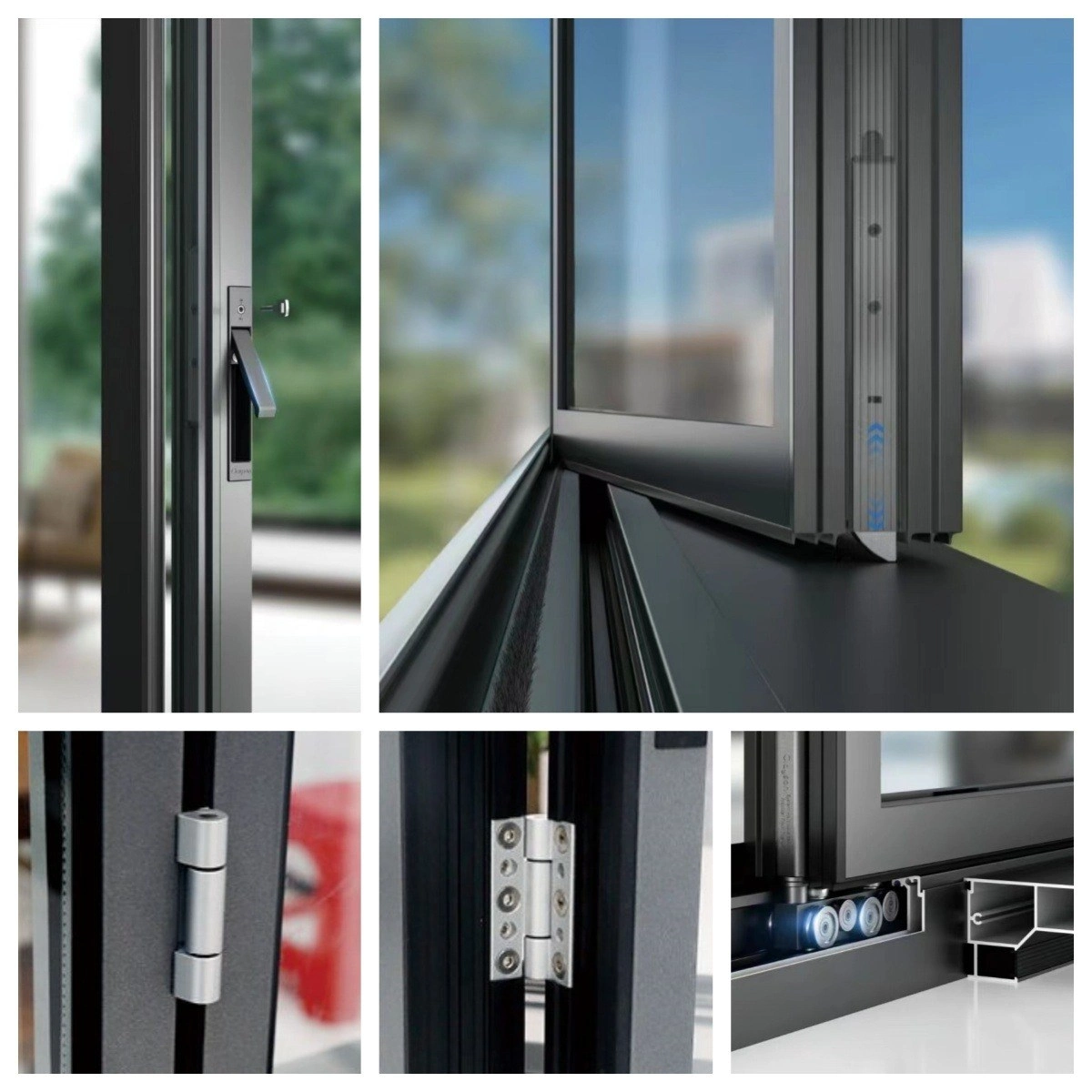
Special consideration must be taken when designing large residential and commercial openings, as additional stress is placed on frame stiffness, hinges, rollers, locking points, and drainage. Review Custom Aluminum Folding Windows as a complete assembly covering opening size, panel weight, glazing, folding hardware, operating cycle, and weather exposure. Confirm with Winway which parts and conditions are covered and how replacement rollers, hinges, and panels will be handled if a covered part fails.
Quality and Inspection Records to Request
A reliable warranty is supported by traceable production and delivery records. For the quoted Winway model, request the applicable material and hardware list, glass configuration, finished-product inspection record, packing or loading photographs, and installation requirements. Confirm that the records identify the product series or project order. These documents help establish the condition and specification of the goods, but they do not eliminate the possibility of a field inspection or replacement.
Project-Specific Technical and After-Sales Support
For an international project, confirm the service region, response channel, working hours, spare-part lead time, remote troubleshooting, site-support scope, and language for the specific order. Record whether the buyer, installer, distributor, or manufacturer opens the claim and who coordinates replacement rollers, glass, hardware, access equipment, and reinstallation. Do not rely on an unqualified 24/7 or multi-country service statement unless it is included in Winway’s written project commitment.
Conclusion
A usable window warranty identifies the quoted product, installation scope, coverage period, exclusions, remedy, responsibility for labor and shipping, claim procedure, and main contact. Compare suppliers by those written commitments rather than by the headline number of years alone. For the relevant Winway project, prepare a warranty schedule listing the window series, glass configuration, hardware package, installation location, wind load, solar exposure, expected use, and required remedy, then ask Winway to confirm every item in writing before the purchase order is released.
FAQ
Do window warranties cover accidental glass breakage?
Different coverage is usually provided for accidental breakage than for manufacturing defects. Exclusions are typically outlined in the written warranty. It is best to confirm whether or not impact, storm, vandalism, thermal stress and low-emissivity coating failure are covered under the warranty and whether or not additional property insurance is required.
Are window warranties transferable to a new property owner?
Transferability is a contract term and not a feature of all premium windows. Check the terms of the warranty regarding transfer, who can transfer the warranty and what procedures need to be completed. Also confirm the notice period, what documentation is required, any transfer fee, and whether the remedy or remaining term of the warranty changes on transfer.
How does coastal salt air impact the coverage limits?
Corrosion, coatings, seals and other hardware can be affected by the level of coastal exposure. Ensure that approved hardware grade, coating system and maintenance frequency are confirmed and any location based exclusions noted along with any special conditions for marine or high salt environments and any additional conditions and inspection requirements.
