

Sliding vs Hinged Wardrobe Doors in 2026: How to Find Your Perfect Fit
Picking out wardrobe doors might seem like a minor detail during a bedroom build, but it completely shifts how the room functions. A sleek door looking gorgeous in a catalog can quickly turn into a daily headache if it bangs into a bed frame, blocks a pull-out drawer, or leaves virtually zero walking room. Going into 2026, buyers care way more about actual spatial flow than just pretty surfaces. This rings true across apartments, residential villas, commercial hotels, and bulk wholesale projects where one sizing mistake gets duplicated across hundreds of rooms.
Winway supplies building materials and whole-house customization for real estate, hospitality, and wholesale jobs. You can plan its wardrobe setups right alongside kitchen cabinets, standard doors, windows, tiles, flooring, room lighting, and loose furniture. Deciding between sliding and hinged configurations dictates walking clearance, cleaning routines, hardware lifespan, and delivery logistics.
What Is the Main Difference Between Sliding and Hinged Wardrobe Doors?
Both styles hide your stuff, but the opening mechanics differ completely. That basic functional trait determines if a wardrobe feels effortless or frustrating during rushed mornings. Before looking at frosted glass, mirrored panels, or wood grains, check the actual floor space.
Opening Method and Room Clearance
Sliding wardrobe doors glide horizontally along metal tracks, requiring zero forward swing space. This becomes a lifesaver when the cabinet sits directly across from a mattress, a bulky study desk, a designated suitcase unpacking zone, or a cramped corridor. Inside a tight bedroom, clawing back even 10 centimeters of walking room makes a huge difference to comfort.
Hinged wardrobe doors swing outward via metal hinges. They demand a significantly larger clear zone in front of the unit, but they feel incredibly direct if the floor plan is generous enough.
- Sliding Wardrobe Doors: Low front space needed. Fits small bedrooms, hotels, narrow walkways. Saves space but reveals one section at a time.
- Hinged Wardrobe Doors: Higher front space needed. Suits villas, large bedrooms, wide layouts. Grants wider access and a totally clear interior view.
Access to Clothes and Storage Visibility
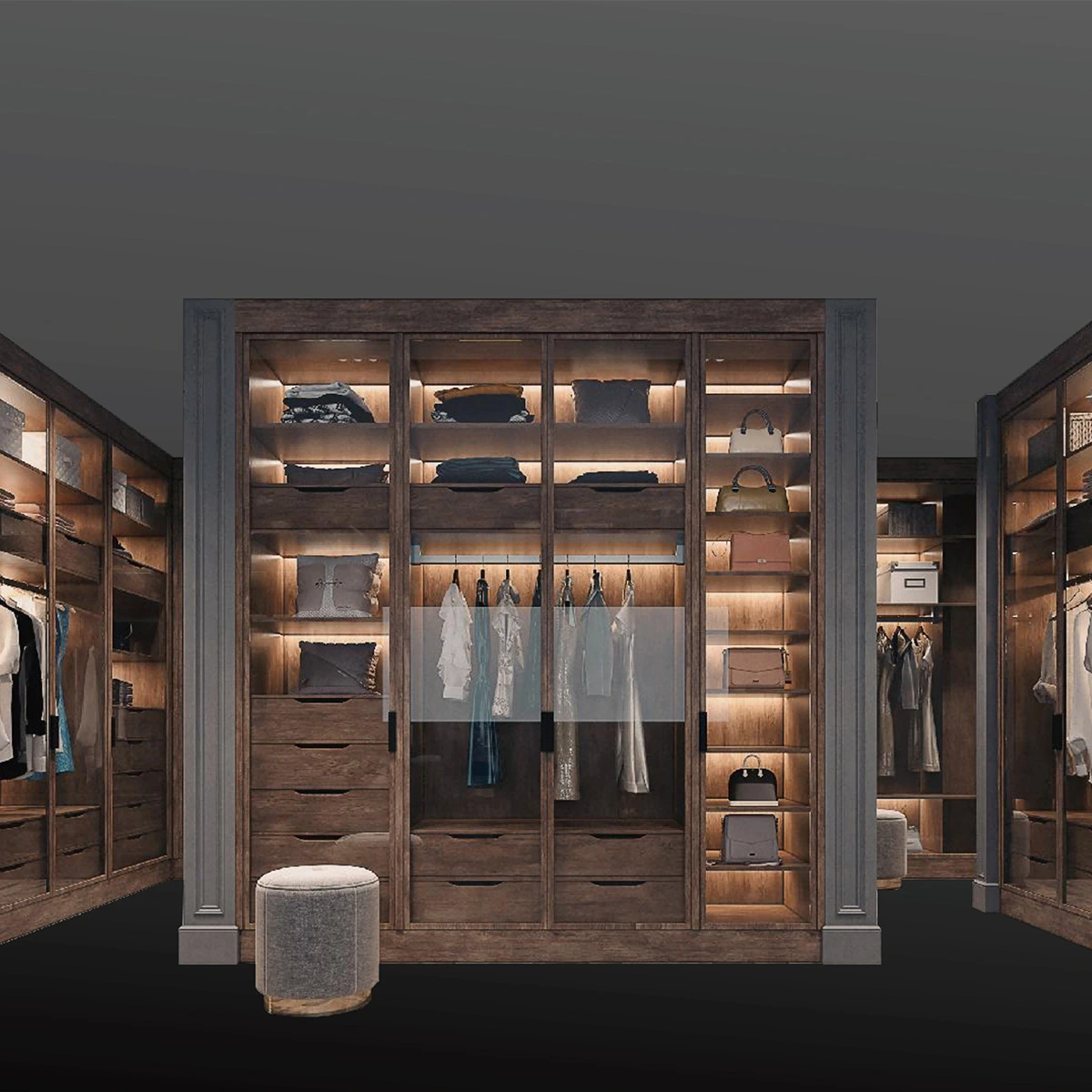
Swinging doors provide superior overall access. You can pop open multiple doors simultaneously to view winter coats, adjustable shelves, internal drawers, handbags, and plastic storage bins all in one glance. On the flip side, sliding tracks look tidier in compact zones, but one massive panel will always hide half of the interior. Everyday work outfits need to sit in the most accessible spot, while bulky hard-shell luggage and extra winter quilts hide behind the less active panel side.
Design Style and Bedroom Look
Track-based doors heavily lean into a flat, minimalist, modern aesthetic. Giant uninterrupted panels, floor-to-ceiling mirrors, tinted glass, or muted wood veneers help a cramped room feel a bit less chaotic. Hinged doors carry a much stronger furniture vibe. They pair beautifully with decorative handles, routed panel borders, rich solid wood textures, or warmer interior themes.
Winway’s production range covers sliding door wardrobe, hinge door wardrobe, solid wood wardrobe, glass wardrobe, and full walk-in closet designs, keeping the design process open so you do not force a uniform style onto every distinct project requirement.
When Should You Choose Sliding Wardrobe Doors?
Gliding doors usually win the debate when floor area is limited or the architectural spec demands a flawlessly flush wall. They are massively popular for repetitive floor plans like modern apartment complexes and boutique hotel suites where dozens of different people need straightforward movement.
Small Bedrooms and Narrow Walkways
Whenever the cabinet practically touches the edge of the bed, sliding mechanisms rescue the layout. Nobody has to physically step backward just to grab a shirt, and the heavy door panel will never smash into a bedside lamp or a stray piece of luggage. In typical 12 to 15 square meter residential layouts, skipping the door swing completely alters the room’s perceived flow. In commercial hotel environments, sliding options drastically cut down on daily wear and tear. Tired guests have a habit of dumping heavy suitcases wherever they find a blank patch of carpet. A door that stays neatly on its track simply will not collide with random objects.
Modern Projects That Need a Clean Surface
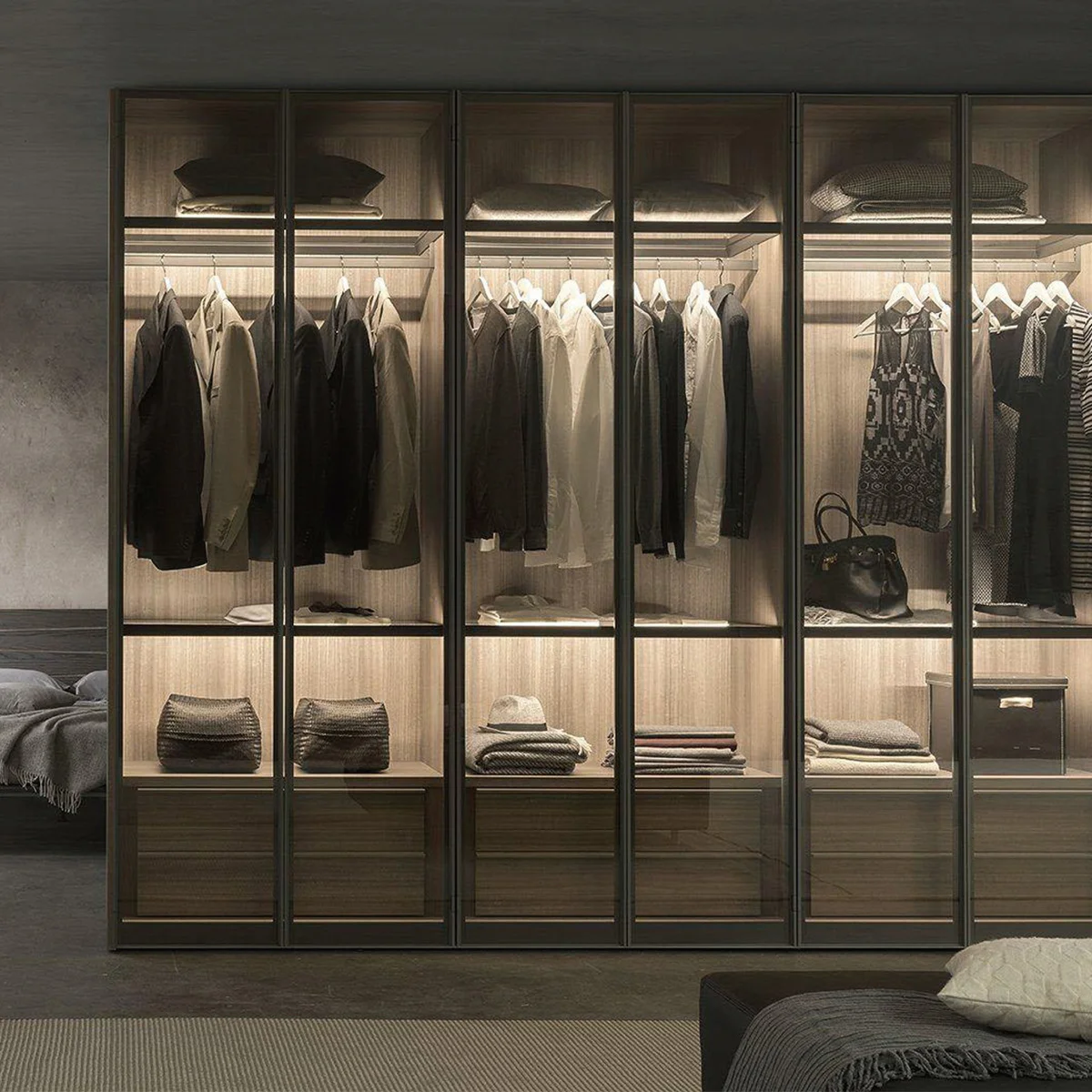
Track systems perfectly fit contemporary layouts where the storage needs to visually melt into the surrounding drywall. A massive, flat facade can seamlessly echo the floor tone and wall paint without throwing distracting shadows everywhere. The Winway‘s professional wardrobe solution handles these specific commercial demands easily. The main cabinet carcass, the track hardware, the internal shelving, and the outer material finish are planned as one cohesive package.
Inner Layout Behind Sliding Doors
A sliding wardrobe absolutely demands a clever interior map. If the sock drawer always gets stuck behind the overlapping center panels, the whole piece of furniture feels defective within a week. Hanging metal rails, modular shelves, internal drawers, shoe racks, and bedding zones must align perfectly with how the exterior panels travel.
When Are Hinged Wardrobe Doors the Better Fit?
Traditional hinged wardrobe doors definitely hold strong value in 2026. They operate intuitively, let you see everything instantly, and are generally a breeze to fix if something goes wrong.
Larger Rooms with Enough Front Space
Hinges belong in expansive master suites, luxury villas, and premium apartments where foot traffic is never choked. When the closet doors swing wide, the motion feels luxurious rather than annoying. You can stand close, pull both sides open simultaneously, and reach into every single corner of the carcass without shifting your feet. They also belong in spaces where the storage piece acts as a primary decor focal point. Detailed brass pulls and warm stained wood surfaces inject a classic residential warmth.
Full Interior View for Easier Organization
Swinging mechanics shine when you need the big picture immediately. Dress shirts, tailored trousers, leather bags, accessory boxes, and folded knits can be scanned in a single sweeping glance. This total visibility is a lifesaver for busy families and individuals who hoard a massive variety of seasonal clothing in one spot. That wide-open access makes life significantly easier for installation crews and property maintenance teams too. Moving adjustable shelves takes seconds, wiping down dusty corners is quick, and tightening loose hinge screws is straightforward.
Simple Hardware and Flexible Door Design
Hinged setups rely on standard metal hinges and basic pulls. Sliding systems depend on precision tracks and guide pins. Both setups can survive decades of heavy use. However, track systems demand regular vacuuming to remove dust and careful alignment to stop jumping. Hinged setups basically just need a screwdriver tweak every few years.
How Should You Compare Both Options Before Ordering?
Do not place a massive factory order before analyzing the physical room. Stop looking at an empty floor plan. A built-in wardrobe is a heavy, permanent piece customized for a very specific gap. A tiny miscalculation in the opening arc or track depth causes major installation delays.
Measure the Real Room
Check the true wall length, ceiling clearance, and the exact distance between the cabinet face and the nearest obstacle. Mentally drop in the bulky items: the mattress, nightstands, heavy window curtains, thick baseboards, electrical outlet locations, and the swing arc of the main bedroom entry door. Those boring little numbers normally dictate if swinging doors are physically possible.
Match the Door Type with Daily Habits
If the end-user craves a minimalist surface and smooth pedestrian flow, track doors usually win out. If the user prioritizes instant total access and effortless morning sorting, swinging doors likely take the prize. Most people do not hate their bedroom furniture because of cheap wood. They hate it because grabbing a jacket feels clunky and awkward every single morning.
Check Market Demand and Project Value
The appetite for clever storage is constantly climbing as property buyers expect cleaner, highly organized living zones.
- Global market size in 2025 hit USD 69.96 billion.
- Expected sector size in 2026 reaches USD 74.02 billion.
- Projected market size by 2034 is USD 125.22 billion.
- Main buyer demand focuses heavily on space-saving and deeply customized storage layouts.
For commercial project buyers, these units are definitely not cheap afterthoughts. Upgrading the storage directly boosts perceived property value and repeat purchase potential.
Why Does Customization Matter for Wardrobe Door Choice?
Getting a bespoke fit matters because the outer facade, the internal carcass, the shelving layout, the surface veneer, the export packing, and the final delivery schedule all have to sync up perfectly. Off-the-shelf units might squeeze into basic spare rooms, but commercial buyers constantly require a much tighter match.
Room-Based Wardrobe Design
Winway manages detailed storage planning straight from architectural drawings and specific tenant requirements. This flexible capability covers townhouses, luxury villas, tight apartments, commercial hotels, and corporate offices. A sliding unit meant for a busy transit hotel requires lightning-fast assembly and bare-bones shelving, while a hinged unit destined for a suburban villa demands luxurious veneers and highly complicated drawer dividers.
Material Matching and Quality Control
The cabinet finish needs to harmonize with hardwood flooring, interior doors, aluminum window frames, and loose sofas. Winway’s integrated building material supply chain allows project managers to maintain strict visual consistency. A melamine finish that slightly clashes with the bedroom door instantly cheapens the entire space. Large overseas furniture orders also demand aggressive factory inspections before they ever hit a shipping container. Usual headaches include incorrectly cut panels, mixed-up hardware batches, missing screws, and flimsy cardboard packing. Winway directly manages the material sourcing, factory ordering, physical quality checks, container stuffing, and post-delivery support. Those boring factory inspection papers become extremely valuable the second the cargo arrives at the job site.
How Can Winway Support Your Wardrobe Project?
The absolute best wardrobe door is simply the one that physically fits the floor plan, matches the user’s daily rhythm, and stays within the project budget. Sliding configurations dominate cramped layouts. Hinged configurations win in spacious master bedrooms where total visibility is key.
One-Stop Service from Design to Delivery
Winway rolls out comprehensive whole-house customization, raw building material supply, rigorous production monitoring, freight logistics, and long-term after-sales backing. This unified approach transforms a complex joinery package into one manageable line item.
Contact for Project-Based Advice
If you are currently specifying wardrobe doors for a new apartment block, a private villa, a boutique hotel, or a massive wholesale distribution channel, get your numbers ready. Gather the exact room dimensions, straight wall lengths, ceiling heights, preferred material finishes, unit quantities, rough budget targets, and the final destination country. Hand-drawn sketches or raw site photos are incredibly helpful too. You can reach out directly to Winway to get highly practical suggestions tailored to your exact blueprints.
Conclusion
Sliding wardrobe doors clearly perform better when the floor plan is constrained, the foot traffic path is skinny, or the interior designer wants a perfectly flat, modern facade. Hinged wardrobe doors take the lead when the bedroom possesses generous forward clearance and the homeowner demands instant, unrestricted access to all their garments.
Handling bulk projects in 2026 means ignoring fleeting internet design trends. Always verify the true room footprint, the expected morning routines, the internal drawer layouts, the veneer quality, the factory inspection procedures, and the international freight logistics before paying a deposit. Installing a properly engineered wardrobe system makes the entire property function smoother and feel significantly more premium.
FAQ
Q: Are sliding wardrobe doors better for small bedrooms?
A: Yes, in the vast majority of tight layouts. They completely bypass the need for forward swinging clearance. This mechanical advantage makes them infinitely easier to operate right next to bulky beds, computer desks, reading chairs, and skinny walking corridors.
Q: Are hinged wardrobe doors easier to maintain?
A: They generally are easier to troubleshoot since the mechanism relies on basic metal hinges and standard handles. Track systems certainly hold up well over the years, but the bottom rails and rolling wheels must be kept free of heavy dust and clothing lint to prevent jamming.
Q: What should you prepare before asking for a wardrobe quote?
A: Pull together the exact room dimensions, usable wall length, floor-to-ceiling height, preferred opening style, surface finish requests, internal shelving requirements, total order volume, final shipping destination, and any architectural drawings you have on hand.
