

The Hidden Kitchen Revolution: How to Use Pocket Doors to Hide Clutter Effortlessly
If you have ever stepped into your house after a tiring day just to face a messy view of small cookers, bread machine bits, and jars of spices that are partly full, then you understand the challenge well. The idea of an open living area was meant to bring brightness and easy movement, but in practice it usually brings too much sight clutter that tires the eyes. You hope for a spot that seems like a fancy display room, not like a busy work area. This is exactly where the idea of a hidden kitchen turns into your best tool. It goes beyond simple tidying up; it forms a way of planning that makes your disorder vanish with a quick push of a door. Such a setup allows you to keep the flow of your home while gaining control over the everyday mess that builds up, especially in shared spaces where family life happens all at once.
Winway is a leading expert in its field. It was founded in 1999 by John Fu and has grown from a small business to a worldwide supplier of top-notch storage solutions, serving over 50 countries. Winway offers more than just storage containers. They offer integrated building solutions that combine concepts with functionality. John Fu wants every home to be a peaceful retreat. They achieve this through craftsmanship, such as fine furniture. The door components are very durable, allowing panels to continue sliding smoothly after ten years. For homes where the moving parts are the style, this is very important. Winway adds class to functional building, gaining the trust of builders, designers, and homeowners who value small details. They have completed many projects that have endured through daily use, accommodating various styles from modern apartments to large family homes.
Solving the Open-Plan Dilemma: The Rise of Concealed Kitchen Storage
The open-plan kitchen aimed to link people closer together, but it frequently overlooks the facts of routine living. When your sitting area and cooking space occupy the same ground, a messy work surface makes it hard to unwind. You require a Concealed kitchen storage setup that views your storage units as part of the building wall instead of separate boxes that stand alone. This approach helps maintain the open feel while providing ways to tuck away items that would otherwise disrupt the calm, allowing for a space that serves multiple purposes without constant visual distraction.
By choosing a Minimalist kitchen layout, you basically build a cooking area that does not seem like one at first glance. The key rests in making things fade from view. When you cover the useful parts, such as the wash basins, cooking tops, and minor machines, your house appears bigger and much more relaxed overall. This change in planning moves from displaying costly tools to honoring straight lines and solid materials that last. In doing so, it creates an environment where the focus stays on comfort and use, rather than on showing off every gadget, which often leads to a cleaner and more inviting atmosphere for both daily chores and social gatherings.
The Magic of Pocket Doors: The Ultimate Disappearing Act
To reach this degree of being unseen, you must use special parts. Pocket doors, sometimes known as flipper panels, drive this big change forward. Different from usual storage doors that open outward and get in the way of your steps, pocket doors move sideways into a small hidden space next to the unit.
This setup lets you uncover a complete area for baking or a spot for making drinks, and you can work without any panels blocking your path. Once you complete the job, you just draw the panels back into place so they sit even with the surface. The sight of disorder goes away in moments. Since these setups rely on tracks that have been checked for many uses, the action stays simple and smooth. You do not struggle against the built-in items; instead, the items adjust to what you need at the time. This careful design makes sure your simple style works in real ways to match your routines, rather than serving as a look that demands constant effort to keep up. As a result, homeowners find that their kitchens become more practical, supporting everything from quick meals to elaborate cooking sessions without the hassle of swinging doors.
Strategic Zones for a Seamless Workflow
A hidden kitchen works well only if it keeps a clear sense of order. You do not wish to pull open several areas just to prepare a basic meal. Skilled planners recommend dividing your spot into clear sections for different tasks. This keeps the storage from turning into an obstacle in your path. By thinking ahead about how you move through your day, such zones ensure that everything stays within easy reach, making the whole system feel natural rather than forced.
The Morning Station and Appliance Garage
Much of the mess in homes stems from small machines. Items like water heaters, mixers, and drink makers prove vital, but they seldom appear nice when grouped out in the open. By setting aside a part of your storage for an appliance garage, you leave these tools connected and set for use. You push the door aside each morning, go through your usual steps, and cover the signs before company shows up. This area leaves your key work surfaces clear, which forms the base of a upscale appearance. It also helps in keeping cords organized and prevents dust from settling on unused items, adding to the overall tidiness and ease of morning routines that set a positive tone for the day.
The Professional Grade Prep Hub
For people who enjoy cooking a lot, a hidden prep area makes a huge difference. This section could hold a slide-out work surface, built-in holders for spices, and focused lights. When you put money into a top Kitchen Cabinet setup, you gain a work spot at a pro level that vanishes right away. This arrangement lets you switch from focused cooking to welcoming guests without needing to clean every inch first. You merely fold the prep spot back and spend your night in peace. Such features turn the kitchen into a flexible heart of the home, where preparation happens efficiently and then steps aside to let social time take over seamlessly.
The Economics of Minimalism: Data and Performance
Picking a covered system counts as spending that brings returns in better daily living and higher worth for your property. Patterns heading into 2026 show that houses with “unseen” or “built-in” cooking areas gain stronger values from checks because they draw city workers who value spots that serve many roles. This trend reflects a broader shift toward homes that adapt to modern lifestyles, where space comes at a premium and functionality drives buying decisions.
The chart below outlines how a covered system stacks up against a usual arrangement:
|
Feature |
Traditional Kitchen Layout |
Premium Concealed System |
|
Visual Noise |
High (Appliances always visible) |
Zero (Everything is flush and hidden) |
|
Space Efficiency |
Moderate (Doors swing into walkways) |
Maximum (Pocket doors save 30% floor space) |
|
Maintenance |
Frequent dusting of open surfaces |
Low (Enclosed storage stays cleaner) |
|
Resale Appeal |
Standard market value |
High (Considered a luxury feature) |
|
Durability |
Standard cabinet hinges |
High-cycle tested gliding hardware |
Case Study: The Urban Loft Transformation
Think about a fresh update known as the “Park Avenue Project.” The owner stayed in a 900-square-foot upper-level space where the cooking area stood right at the entry point for visitors. The person enjoyed having friends over but disliked seeing a disordered kitchen during meals.
The Challenge: The kitchen lay open to the eating table directly. Just a handful of dirty plates caused the whole flat to seem tight and out of order.
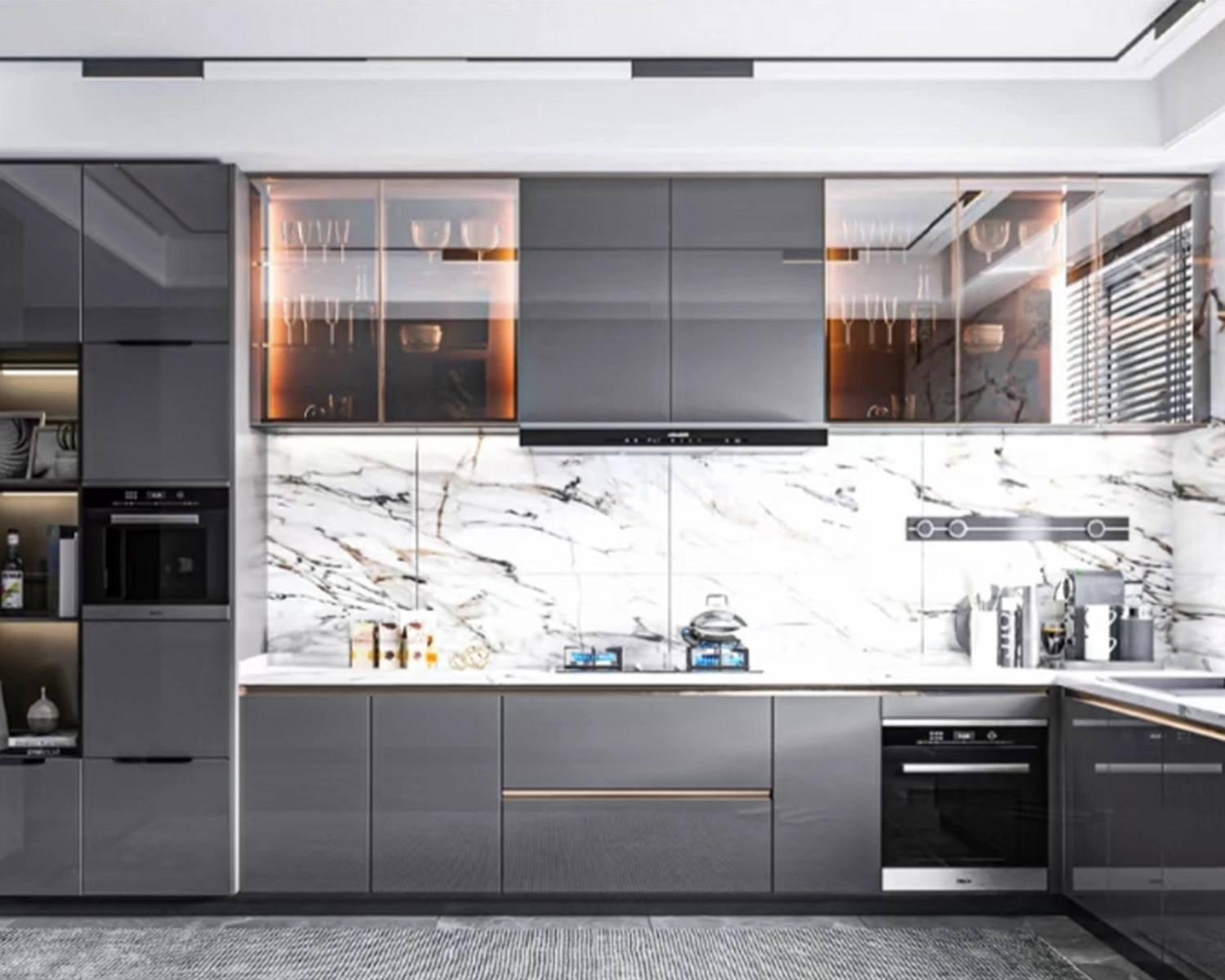
The Solution: The workers added a wall-wide covered storage arrangement. They changed regular edge units to high pocket-door storage pieces. One area held the strong machines, while the middle part acted as a secret food store with a rock-covered back wall and built-in light lines.
The Result: The flat now includes a change routine. Before company comes, the kitchen closes fully. The even panels form a cozy, rough wall that resembles fine wood covering. This work led to a quick 15% rise in the property’s sale price. It showed that a simple layout serves as both smart money use and a choice in looks. The owner reported feeling more relaxed during events, as the hidden setup allowed focus on conversations rather than quick cleanups, proving the value in real-life application for city dwellers with limited room.
From Vision to Reality: Precision and Professional Service
Bringing a detailed plan like this to life demands more than picking an item; it calls for teaming up with skilled people. The strength of joining with a full maker lies in the support that comes with the parts. You gain more than panels; you receive a built answer suited to your exact walls and daily flow. This level of customization ensures that the final setup blends perfectly with your home’s structure, avoiding common pitfalls like awkward fits or uneven lines.
Careful work stands as the key element in a hidden kitchen. In a simple design, no spot exists to cover an error. A small space that sits wrong will catch the eye right away. Expert groups focus on this exactness in the making stage, making certain each piece lines up flat. From the first plan sketches to the last tweak of the quiet-close paths, the aim stays a simple setup that holds strong for many years. Such attention to detail not only boosts the look but also extends the lifespan of the system, reducing the need for repairs and keeping your investment sound over time.
If you feel set to regain your calm thoughts and make your kitchen into a fine example of hidden usefulness, now is the moment to step past the usual ways. You can own a spot that labors as much as you do, and it covers the proof once the work ends. This transformation opens up possibilities for creative uses, like turning the hidden area into a home office during off-hours or a bar for parties, all while maintaining the sleek appearance that modern homes demand.
Contact Us
Ready to transform your home with a Minimalist kitchen layout?
Inquiry Email: info@winwaybuildings.com
Official Website: winwayhomedecor.com
Consultation: Contact our experts today to start your custom concealed storage project.
FAQ
Q: Are pocket doors durable enough for a busy family kitchen?
A: Yes. When you use high-quality hardware, these systems are tested for over 50,000 cycles. This means they can withstand decades of daily use without losing their smooth, silent glide. Families with active routines find that this reliability holds up well, even with frequent openings for kids’ snacks or quick meal prep, ensuring the doors remain a quiet and efficient part of the home.
Q: Can I install a hidden kitchen in a very small apartment?
A: Small apartments actually benefit the most from this. Since pocket doors do not swing out into the room, they free up valuable floor space. This makes your kitchen feel much less congested during peak cooking hours. In tight urban settings, this design choice maximizes every inch, allowing for better movement and a sense of openness that small spaces often lack.
Q: Does hiding everything make it harder to find my cooking tools?
A: Not if you organize by zones. By grouping related items together, like a coffee station or a baking hub, you actually spend less time moving around. You simply open the one section you need for that specific task. This method streamlines your workflow, cutting down on frustration and making meal times faster and more enjoyable for everyone involved.
