

What Essential Details Should You Know About Window Warranties?
When you buy new windows or doors for your house, warranties give you comfort. They make sure your purchase stays safe for many years. A warranty is like a maker’s promise. It fixes problems with defects or how things work. This keeps your money safe in good home upgrades. This piece looks at the main parts of window warranties. It covers what they include, how to make claims, and more. It also points out the good sides of picking strong, power-saving items. These come from top companies in the field. For smart advice, check out Winway Home Decor. It’s a reliable source for top windows and doors. They have over ten years in the game. They bring fresh, changeable fixes for folks who want looks and use in their homes.
Types of Window Warranties
Warranties for windows and doors come in different kinds. Knowing these differences helps you pick what fits your wants. The main types are limited warranties and full warranties. Limited ones cover certain problems, like flaws in the stuff used. Full ones give wider help. They include costs for work done too. Transferable warranties add extra worth. They let the cover pass to new owners. This is great if you think about selling your place someday.
Take vinyl windows and fiberglass doors as examples. They usually have transferable warranties. This keeps the value going strong over time. These warranties guard against troubles like frames bending out of shape or seals breaking. So, they make sense for people who care about how long things last. Picking items with solid warranty choices keeps your buy safe. It works if you stay put or hand it off later.
Choosing the Right Warranty Type for Your Home
What your house needs decides the best kind of warranty. Limited warranties work well for folks watching their budget. They handle the basics, like bad spots in the materials. Full warranties cost more, but they cover a lot. This includes fixes from how it was put in. Transferable ones draw in people who might sell soon. They make the house look better to buyers. For power-saving casement windows, a transferable warranty keeps the worth alive. It guards special parts like better seals that cut down on power bills.
Think about your setup first. Do you live in a spot with rough weather? Then a full warranty might save you headaches. Or if money is tight right now, start with limited. But remember, the right pick matches your life plans. It also fits how you use the home each day.
Coverage and Duration: What’s Protected?
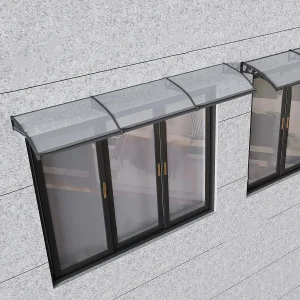
Window warranties often handle flaws in materials, how it’s made, or how it runs. Things like cracks in the frame, seals that fail, or parts that don’t work right fall under this. The time they last goes from ten to twenty years. It depends on the item. Good vinyl windows tend to get twenty-year deals. They shield from sun harm and bad weather. This keeps them working well in tough spots.
Longer times show the maker trusts their stuff to hold up. For instance, windows with two or three layers of glass for saving power often get extra time on the seals. This stops fog from building up or warmth from slipping away. Figuring out the length and what it covers lets you choose items that stay trusty for a long while. You won’t have to worry about surprises down the road. Just read the papers close when you shop.
Key Components Covered by Warranties
Warranties usually watch over frames, glass, and the little parts. Vinyl frames hold off fading and breaks well. Fiberglass doors take hits and scrapes without much trouble. The cover might include coatings that save power too. They keep the heat or cold where it should be. Making sure these points are clear means your windows and doors keep working. They stay nice to look at as well. This cuts down on fix-up bills later on.
Frames are the backbone, so check if they’re in the deal. Glass is key for light and views, and hardware lets you open and close easy. Don’t skip asking about each one. A good warranty spells it all out.
Exclusions and Limitations: Avoiding Surprises
Parts left out of warranties can surprise you if you don’t look hard. Common ones skip harm from bad setup, wrong use, or wild storms like big winds. Say, it might not fix glass broken by something hitting it from outside. Or problems from folks who didn’t put it in right.
To dodge these traps, go for items set up by pros who know their stuff. Fiberglass doors stand up to hard knocks better. This means fewer chances for outs that void the cover. Read the small words in the warranty before you hand over cash. This way, you see the limits coming. Pick gear built to handle everyday bumps too.
Mitigating Risks with Quality Products
Picking strong materials cuts down on chances you’ll need to claim. Vinyl windows fight off wet and sun okay. Fiberglass doors hold strong against daily wear. Having pros do the install helps even more. Most warranties say the setup has to be right or they won’t pay. So, focus on good stuff and right ways to put it in. This keeps your buy from falling into those no-go spots.
Quality isn’t just about now. It’s about years from today too. Cheap picks might save a bit at first. But they lead to more headaches later. Stick with what lasts, and the risks fade away.
How to Claim a Warranty: A Clear Process
If trouble hits, knowing the steps to ask for help saves hassle. First, write down what’s wrong. Take pictures and jot notes. Then, call the maker or seller. Give them your buy proof and warranty info. Companies often want you to send it in fast, within set days. So, don’t wait around.
Top items make this easier. Power-saving windows get tested a lot before sale. Their makers have simple ways to handle gripes. Keep your buy papers and setup notes handy. This makes the whole thing go smooth. You fix the snag quick and get back to normal home life.
Steps to Ensure a Successful Claim
To start a claim, pull together your warranty paper, the receipt, and signs of the problem. Reach out to the seller’s help team. You can call or use their web spot. For windows with fancy bits like low-E coatings, makers often jump on it fast. They want happy buyers. Stick to these moves, and your ask gets handled right.
Step one: Spot the issue early. Step two: Snap those photos. Step three: Call right away. Each bit counts. Miss one, and it slows things down. But follow through, and you’re set.
Why These Warranties Stand Out
A good warranty shows the item’s strength and the maker’s belief in it. Power-saving windows like casement or awning kinds cut your bills. They come with strong cover too. These have better fill-ins and tough frames. So, they keep going strong over time. You can change sizes or colors to fit your house look without losing hold-up.
Warranties linked to new ideas add more bang. Take windows with top glass covers. They keep power in check. And the warranty backs up if seals go bad. Go for these, and your place stays cozy. It saves cash too. The cover watches your spend.
Plus, think about how they fit your style. Maybe you want big ones for views. Or small for tight spots. The warranty stays the same strong either way.
Energy Efficiency and Aesthetic Benefits
Power-saving windows drop your heat and cool costs. You might save a few hundred bucks each year. Their warranties watch the big parts like filled glass. This keeps the saves going long. Changeable looks, like clean vinyl frames or nice fiberglass doors, boost how your house looks from outside. They hold up well too. All this makes covered items a wise grab for work and looks.
Saving power means less strain on the world too. It’s not just your wallet. And the style lift? It makes coming home better every day.
Conclusion: Secure Your Investment with Confidence
Window warranties guard your home fix-up spend. They make sure things last and work right. Pick items with full covers, like power-saving vinyl windows or tough fiberglass doors. You get calm and worth that sticks. These fight wear better. They trim power tabs and lift your home’s style. For pro tips and top picks, talk to our help crew. They’ll show choices that fit you just right. Your house needs the top stuff. Lock it in with gear meant to go the distance.
To wrap it up, warranties aren’t just paper. They’re your safety net. They turn a big buy into a sure thing. So, shop smart. Read deep. And enjoy the upgrade.
FAQ
Q: What should I do if my window warranty claim is denied?
A: Look over the warranty rules to spot why it got turned down. Maybe it’s something left out, like bad setup. Call the seller for more info. Send them stuff like pictures or your buy slip. If it still sticks, get a pro installer to check if everything’s set right. That might fix the claim and get it going.
Q: Are warranties transferable if I sell my home?
A: Lots of them are, mainly for vinyl windows and fiberglass doors. Peek at your warranty sheet for the rules on passing it on. You might need to tell the maker. Ones that transfer make your house worth more when you sell. Buyers feel better knowing it’s covered.
Q: How do I know if a warranty covers energy-efficient features?
A: Check the cover list in the warranty. Look for words on glass covers, seals, or fill parts. Top windows often spell out guards for these power-saving bits. That way, you keep the good run and cash saves over time.
